The Long Conversation: Art and Design Movements Through Time
No style appears from nowhere. The Bauhaus answered the Arts and Crafts movement, Memphis mocked modernism, and flat design rejected skeuomorphism. This is a journey through those movements, from cave walls and temple carvings to the Swiss grid and today's screens, tracing how each generation of makers replied to the one before.
Every post here starts as my own thinking. AI just helps me tidy the edges.
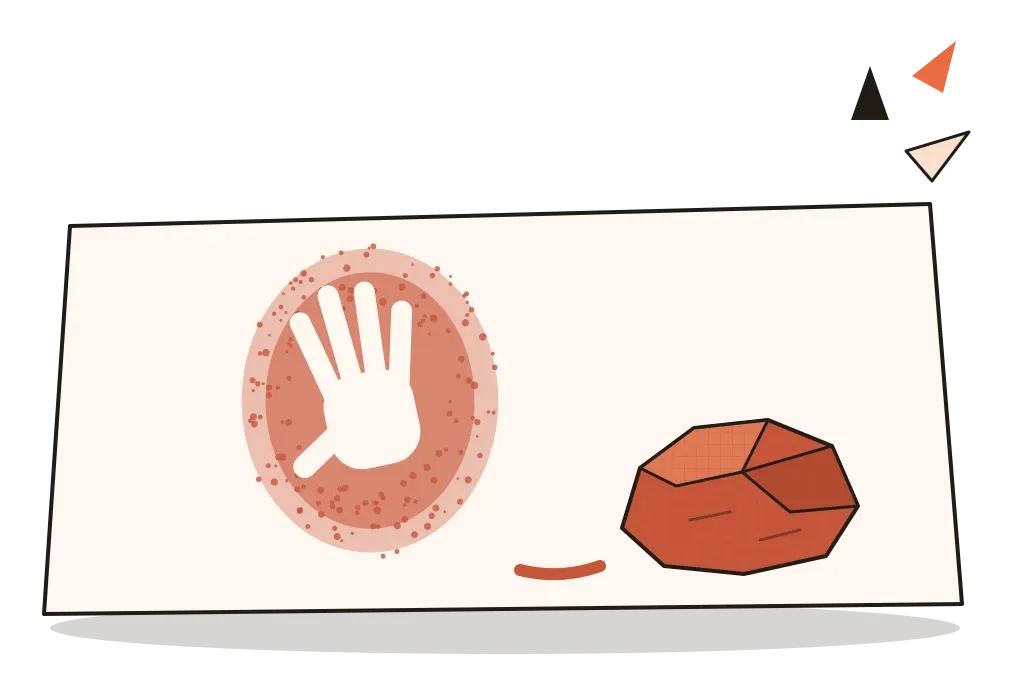
Prehistoric Art
The first images people made on rock, bone and ivory, and what they still teach us about seeing.
prehistoric art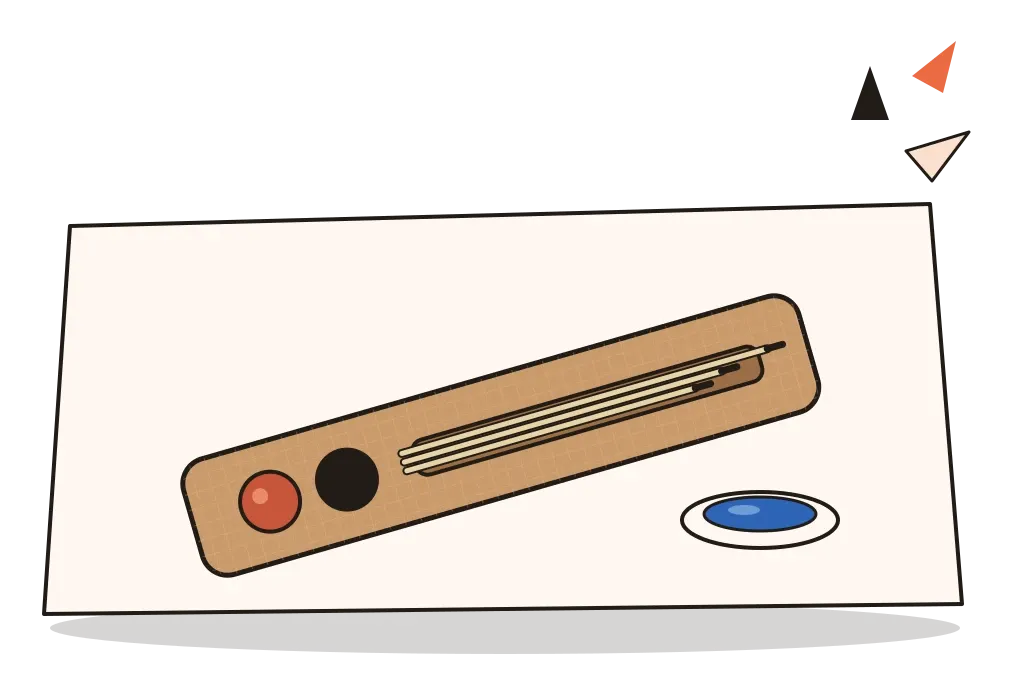
Ancient Egyptian Art
How Egypt built a strict visual system of grids, profiles and scale that lasted three thousand years.
Egyptian art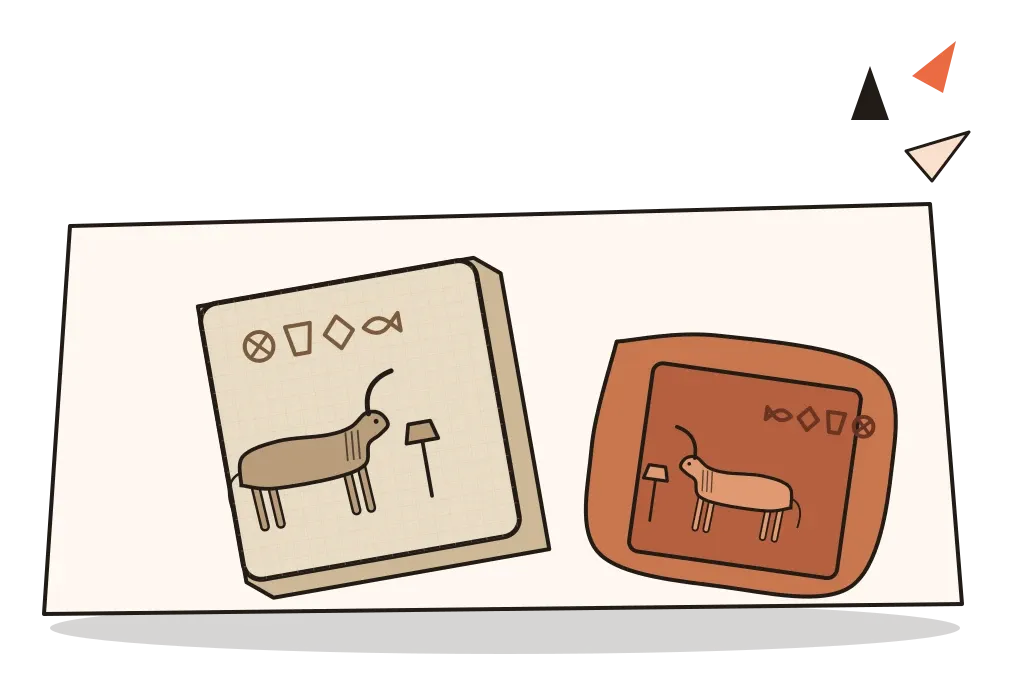
Indus Valley Art and Design
Seals, standard bricks and planned streets from a civilisation that designed cities before monuments.
Indus Valley design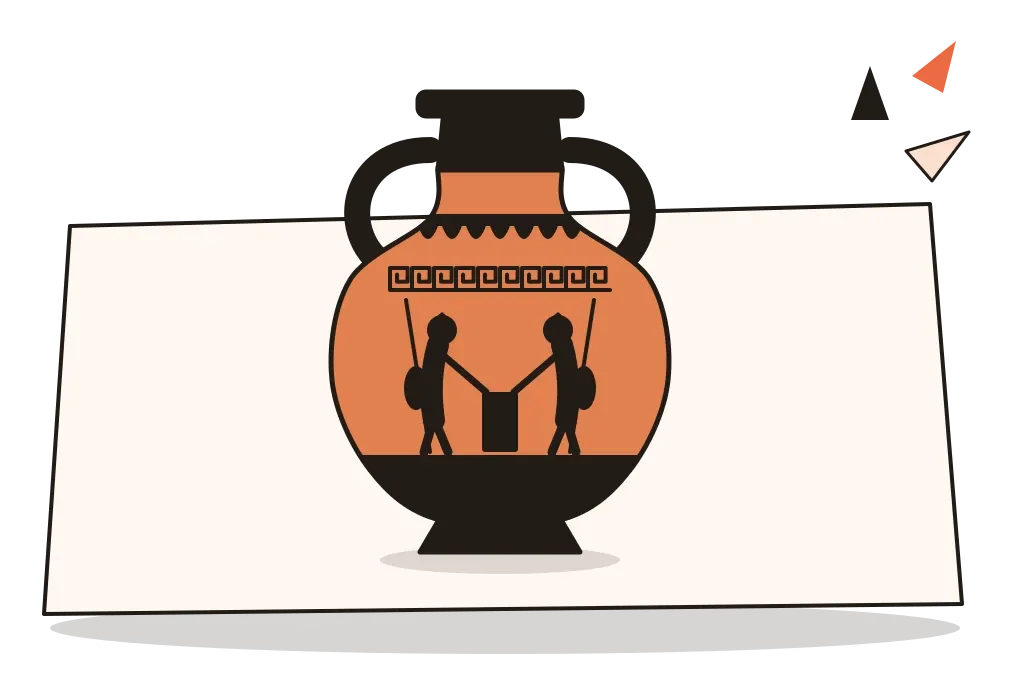
Ancient Greek Art
How Greek sculptors and builders taught stone to relax, and why the white marble we admire was once painted.
Greek art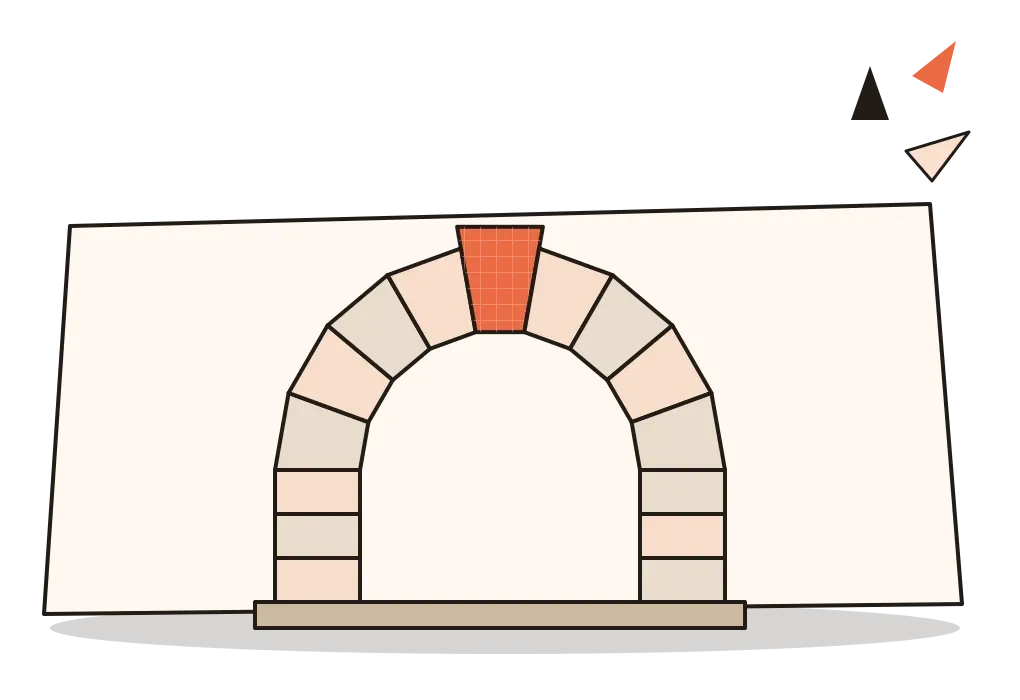
Ancient Roman Art
How Rome borrowed Greek beauty and put it to work in concrete, mosaic, portraits and letters.
Roman art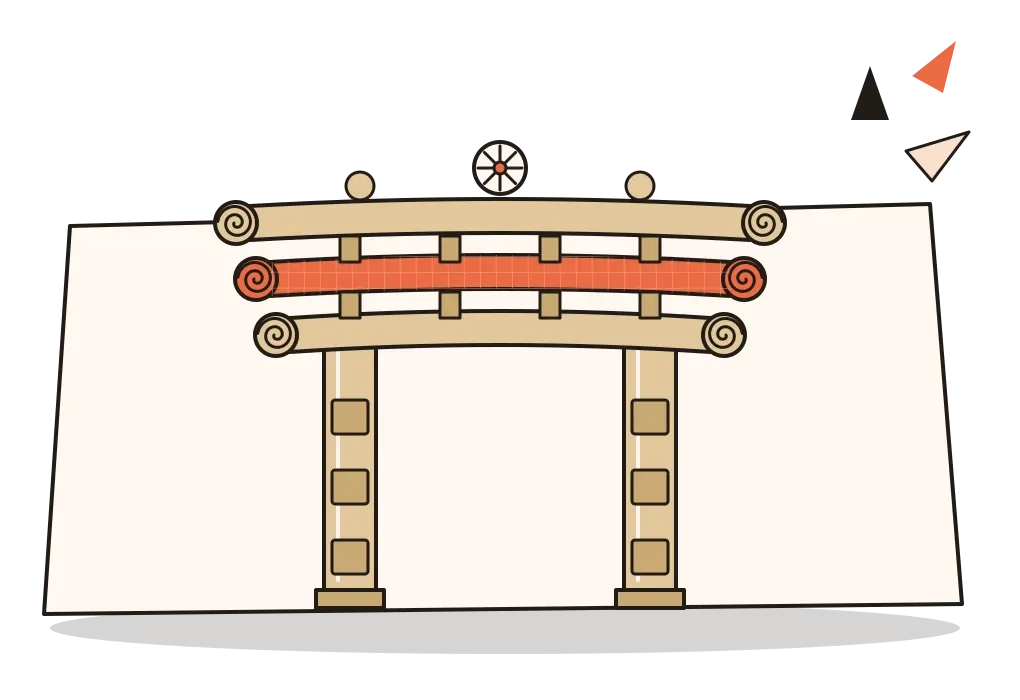
Ancient Indian Art
How Mauryan polish, Buddhist gateways and Gupta calm turned timber and clay ideas into lasting stone.
ancient Indian art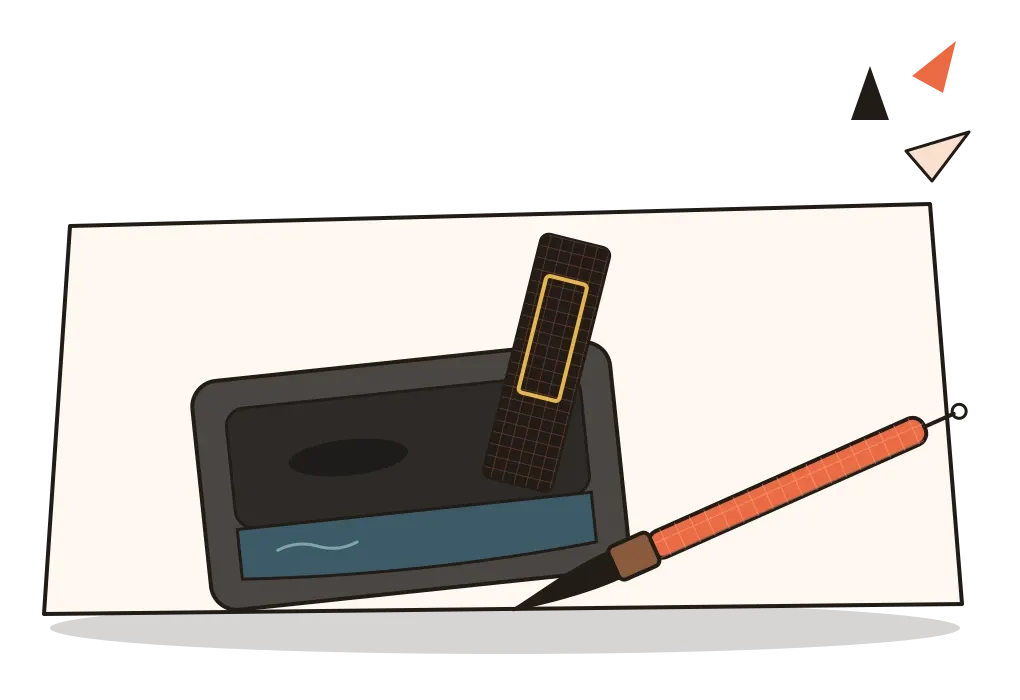
Chinese Ink Painting and Calligraphy
How a brush, a stick of ink and a sheet of paper became a whole philosophy of line, space and spirit.
Chinese ink painting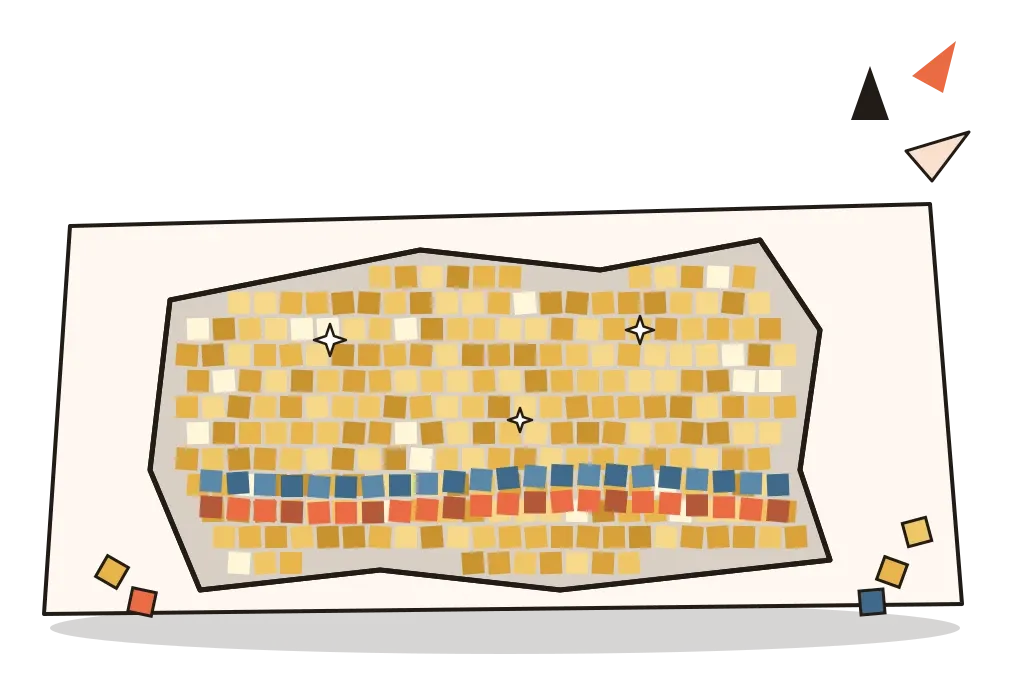
Byzantine Art
How an eastern Christian empire turned Roman realism into gold, light and faces that look straight back.
Byzantine art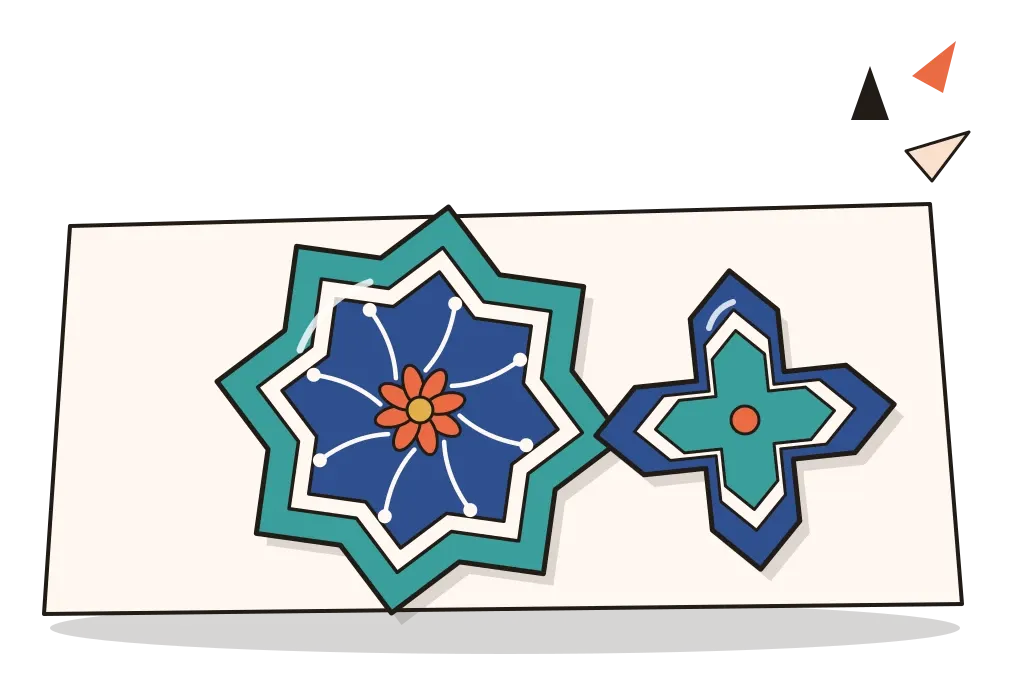
Islamic Art and Design
How a coin without a face, a reed pen and a compass shaped thirteen centuries of pattern.
Islamic art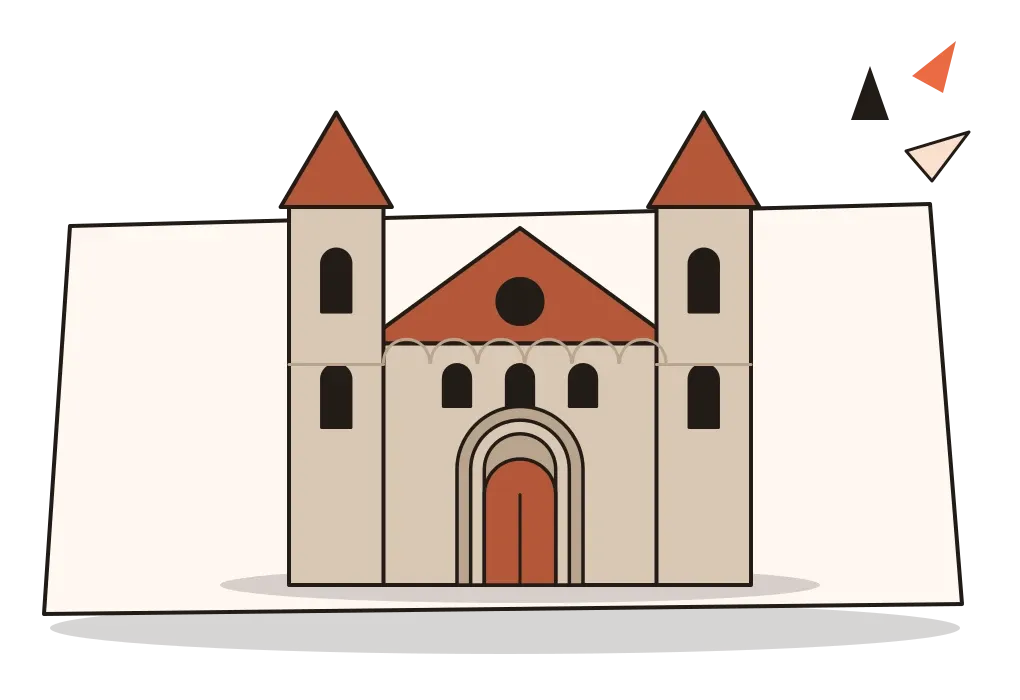
Romanesque
How Europe rebuilt in stone after the year 1000, with round arches, thick walls and carvings that bend to fit.
Romanesque art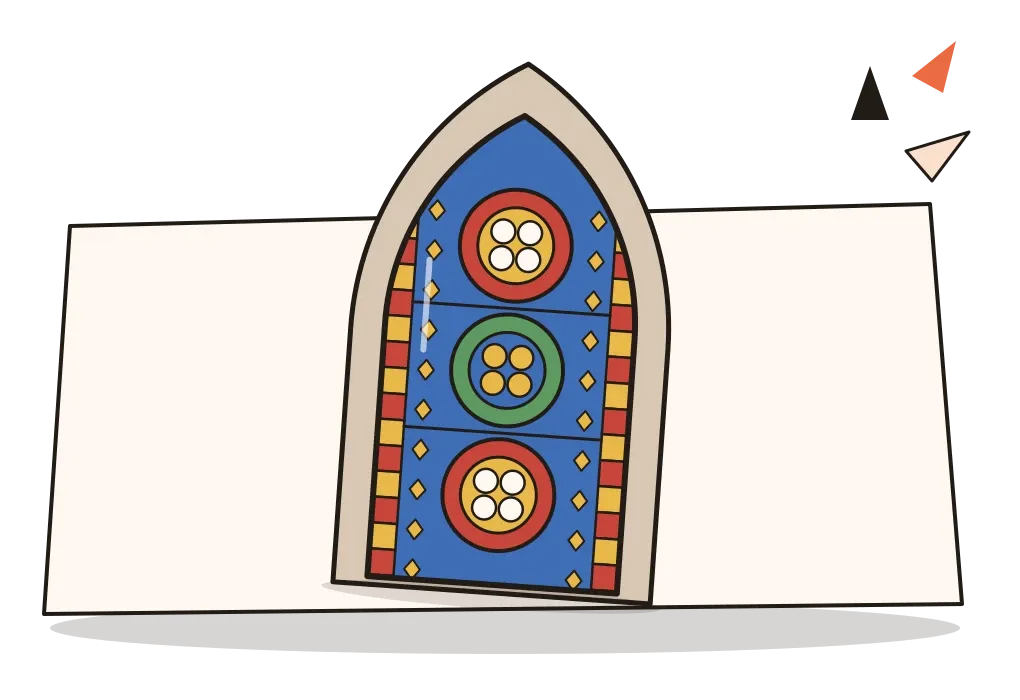
Gothic
How pointed arches, stone ribs and flying buttresses turned heavy church walls into frames for coloured light.
Gothic architecture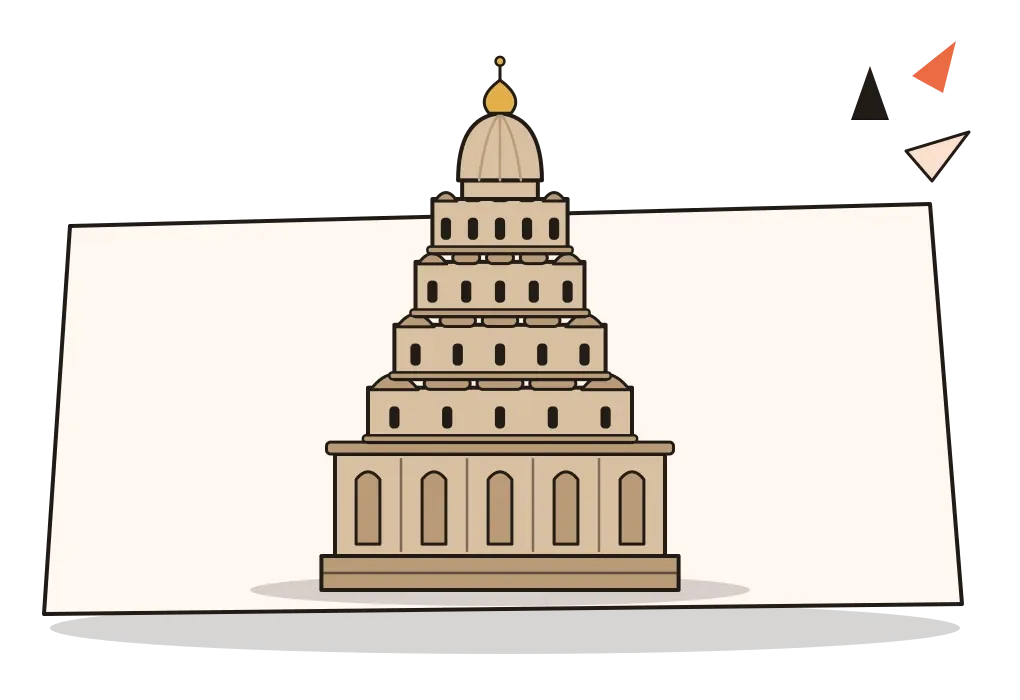
Indian Temple Architecture
How Indian builders turned a small dark shrine into a mountain of stone, in two great styles, Nagara and Dravida.
Indian temple architecture
Insular and Illuminated Manuscripts
How monks on the edge of Europe turned the pages of a book into pattern, colour and light.
illuminated manuscripts
Persian Miniature Painting
How royal workshops in Herat and Tabriz turned books of poetry into small, jewelled worlds of colour.
Persian miniatures
The Renaissance
How Florence looked back to ancient Rome and invented a new way of measuring, picturing and printing the world.
Renaissance art
Mannerism
What a generation of artists did after the Renaissance seemed to have solved everything.
Mannerism in art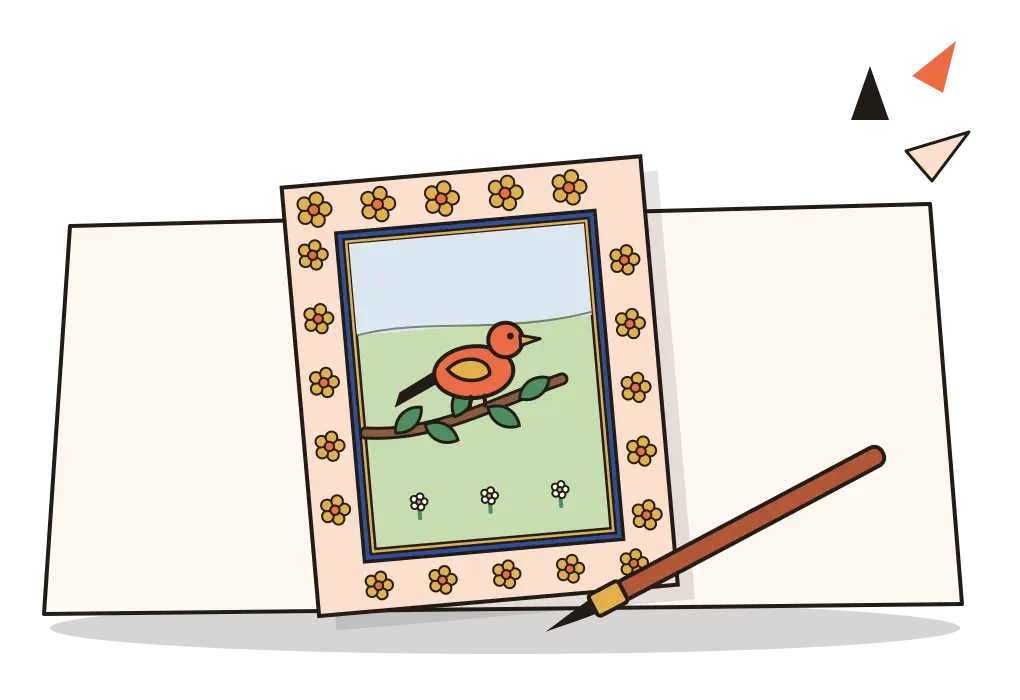
Mughal Miniature Painting
How the Mughal emperors built a studio where Persian, Indian and European ways of seeing became one style.
Mughal painting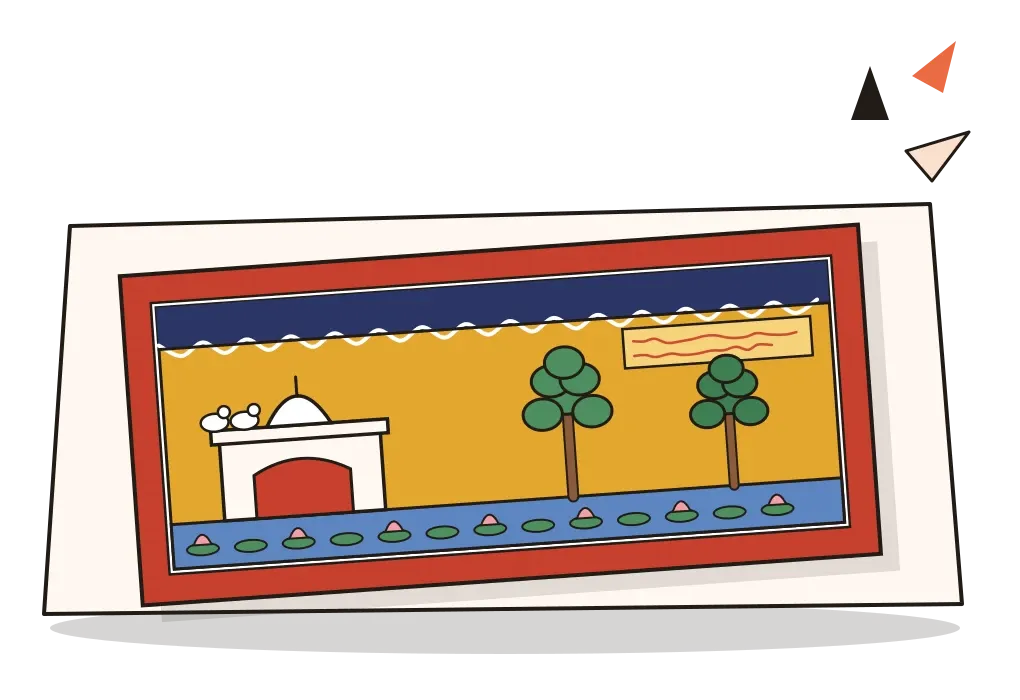
Rajput and Pahari Painting
How painters in the courts of Rajasthan and the Himalayan foothills turned devotion and poetry into colour.
Pahari painting
Baroque
How seventeenth-century Europe used light, movement and theatre to make art you feel in your body.
Baroque art
Rococo
How eighteenth-century France traded Baroque thunder for pastel colour, playful curves and private rooms.
Rococo style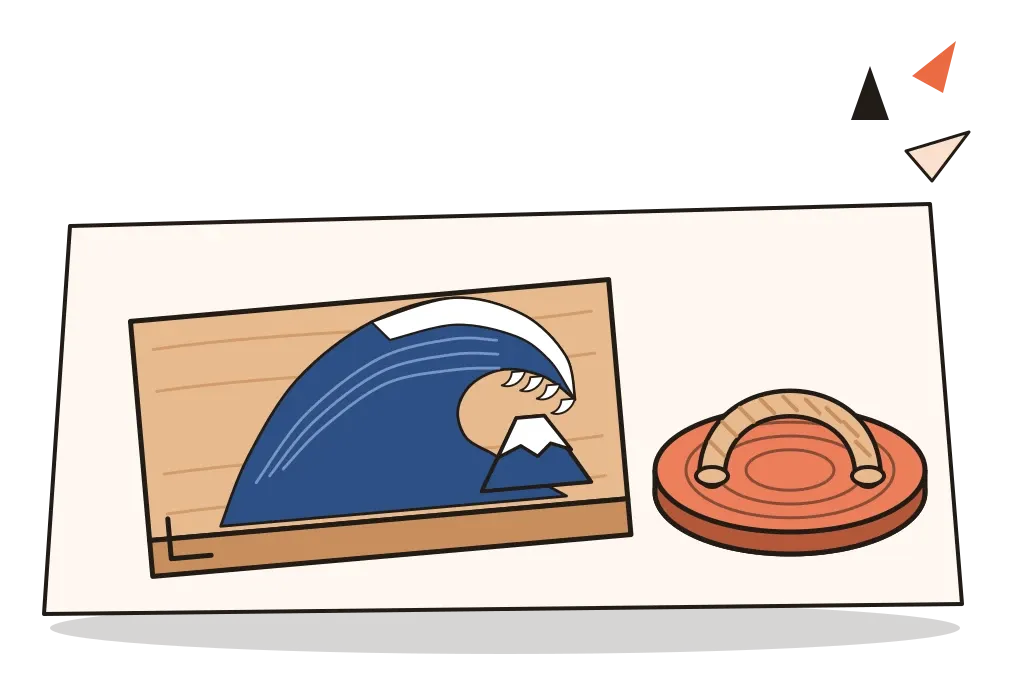
Ukiyo-e
How cheap woodblock prints of actors, courtesans and travellers became Japan's great popular art.
Japanese woodblock prints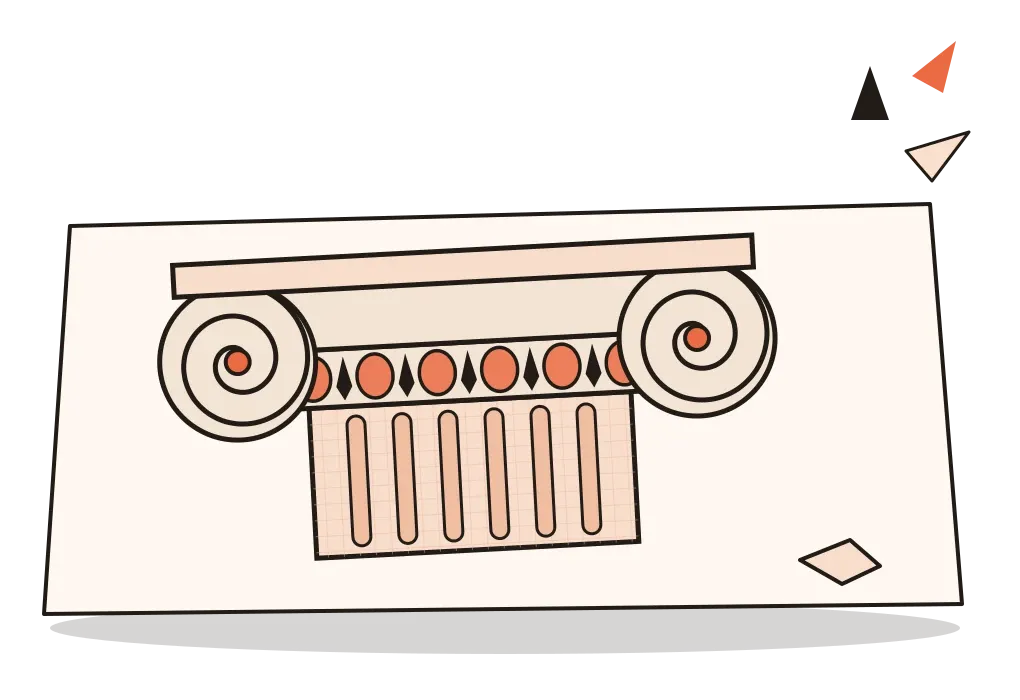
Neoclassicism
How Europe answered the frills of Rococo with columns, clean lines and stories of Roman duty.
neoclassical art and design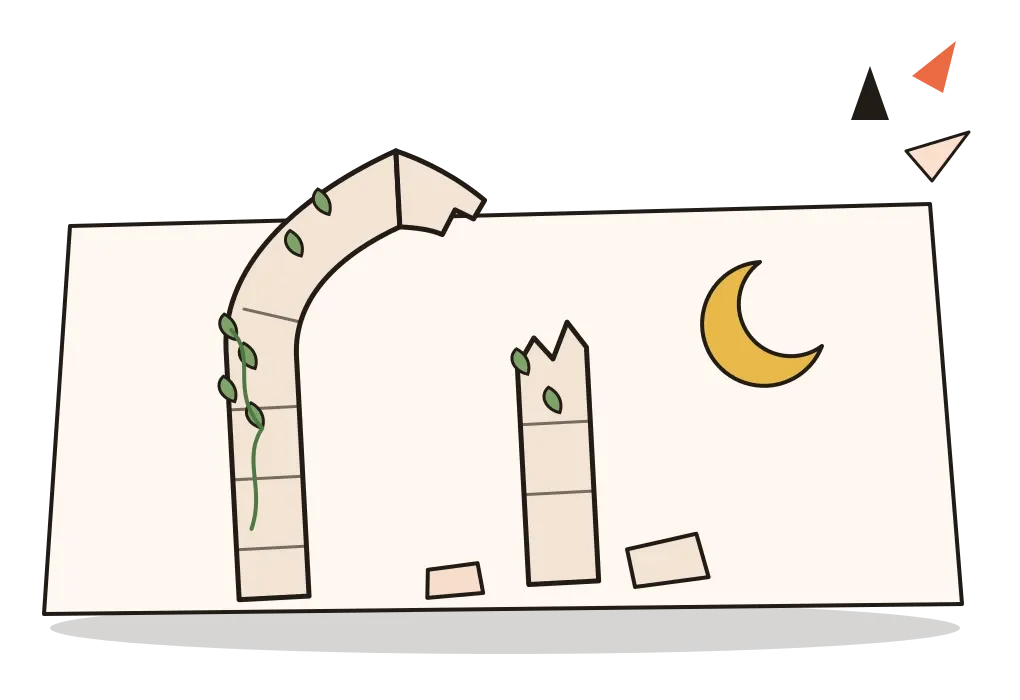
Romanticism
How artists traded calm columns for storms, ruins, shipwrecks and the overwhelming feeling of the sublime.
Romantic art
Company Painting
How Indian painters trained in Mughal courts reinvented their craft for East India Company patrons.
Company school painting
The Industrial Revolution and Design
How steam, iron and the factory split designing from making, and taught objects to repeat themselves.
industrial revolution design
The Great Exhibition of 1851
A glass hall in Hyde Park showed off a century of industry, and convinced its critics that design had gone wrong.
great exhibition 1851
Realism
Painters who put stone breakers, village funerals and crowded train carriages on canvases meant for kings.
realism art movement
The Pre-Raphaelite Brotherhood
Young painters in 1848 London who rejected their teachers and painted every leaf in jewel-bright colour.
pre-raphaelite brotherhood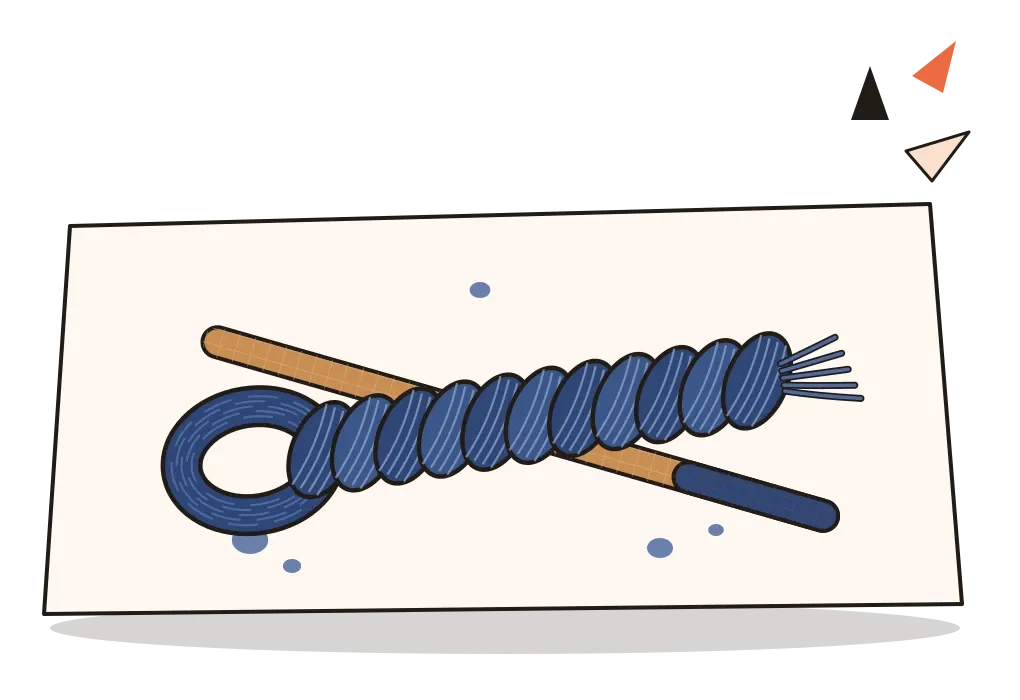
The Arts and Crafts Movement
How William Morris and his friends answered the factory with dye vats, wallpaper, oak and handmade books.
Arts and Crafts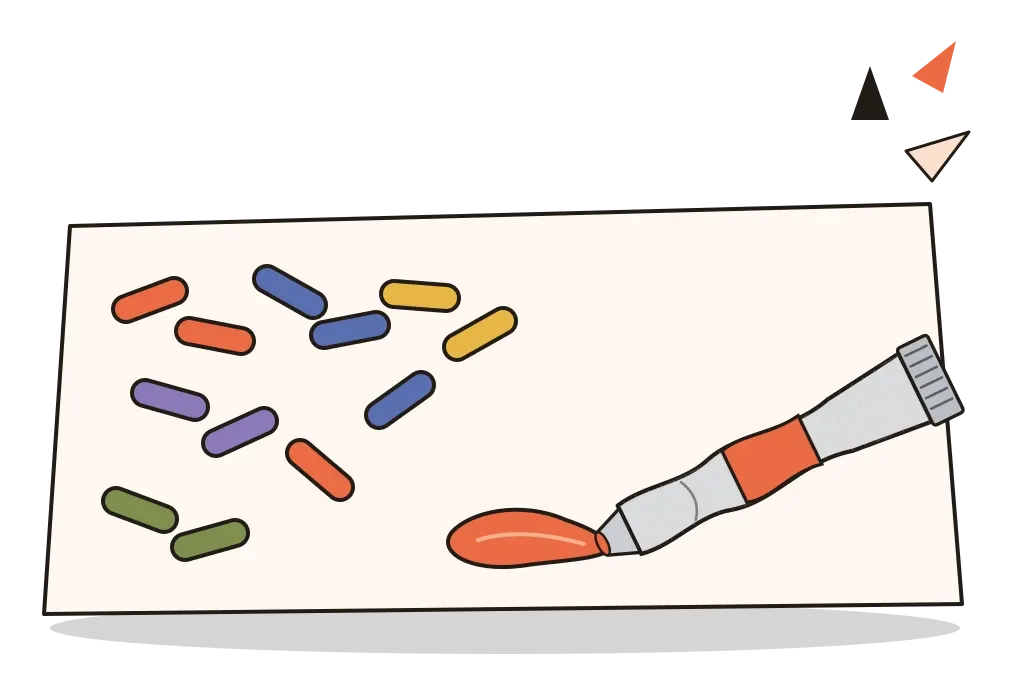
Impressionism
How a group of painters walked out of the studio, organised their own show and painted light before it moved.
Impressionism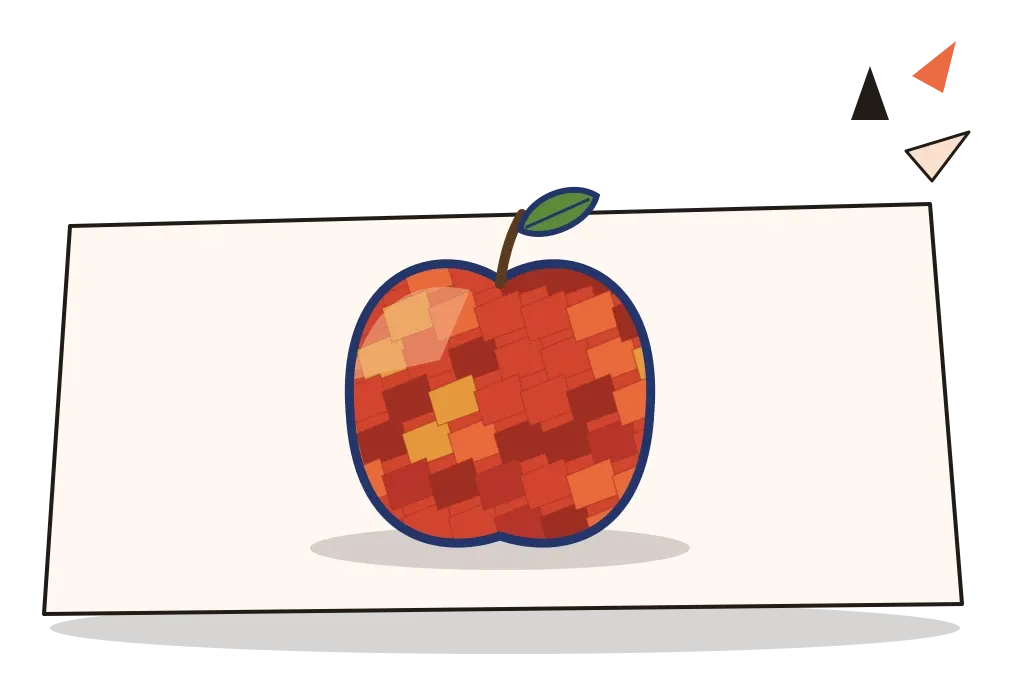
Post-Impressionism
How Cézanne, Van Gogh, Gauguin and Seurat kept Impressionism's colour but went looking for structure and meaning.
Post-Impressionism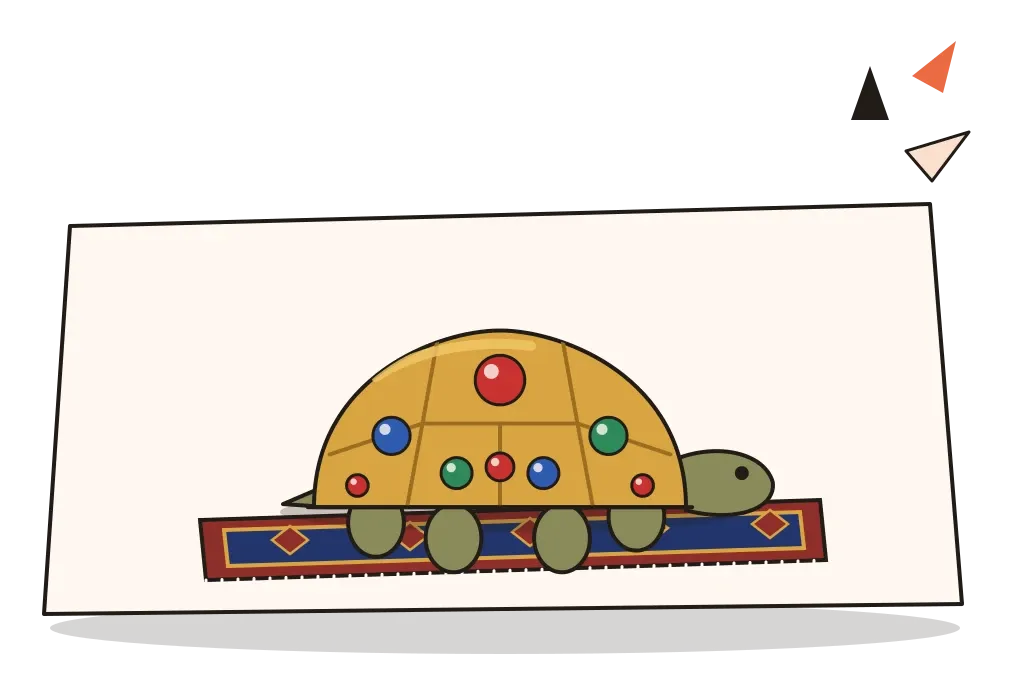
Symbolism
How poets and painters at the end of the nineteenth century turned away from the visible world towards dream, myth and mood.
Symbolism
Art Nouveau
How a generation of designers swapped borrowed historical styles for the curling lines of plants, iron and glass.
Art Nouveau
Japonisme
How cheap Japanese prints and objects taught European artists to crop, flatten and leave space empty.
Japonisme
Raja Ravi Varma and Indian Academic Realism
How Indian painters took up oil paint, perspective and shadow, and gave India's epics a new face.
Indian academic art
Kalighat Painting
How village scroll painters in Calcutta invented a fast, bold, cheap picture for pilgrims, gossip and satire.
Kalighat painting
The Vienna Secession
How a group of Viennese artists walked out of the official art world and built a white house with a golden dome.
Vienna Secession
The Wiener Werkstätte
How a Viennese workshop tried to design everything in a life, from the house to the teaspoon, and signed it all.
Wiener Werkstätte
The Bengal School
How painters in Calcutta turned away from oil and shadow and tried to invent a modern art that looked Indian.
Bengal School
Fauvism
How a few painters in Paris set colour free from nature, and were called wild beasts for it.
Fauvism
Expressionism
How German artists bent colour, line and even shadows out of shape to show what the world felt like.
Expressionism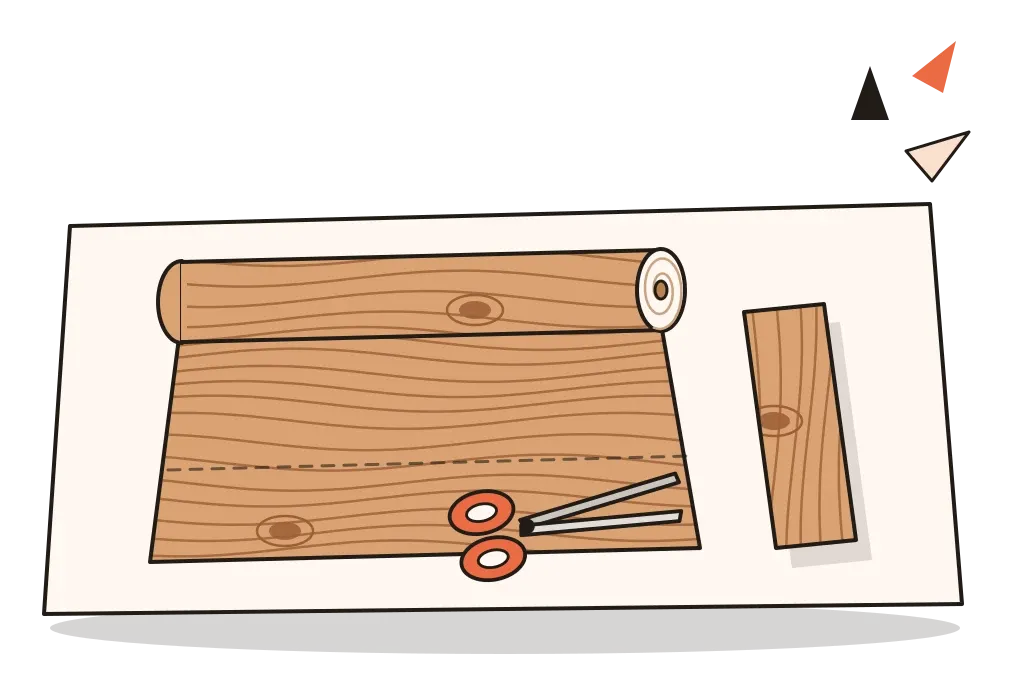
Cubism
How two painters in Paris broke objects into planes, glued wallpaper to drawings and changed what a picture could be.
Cubism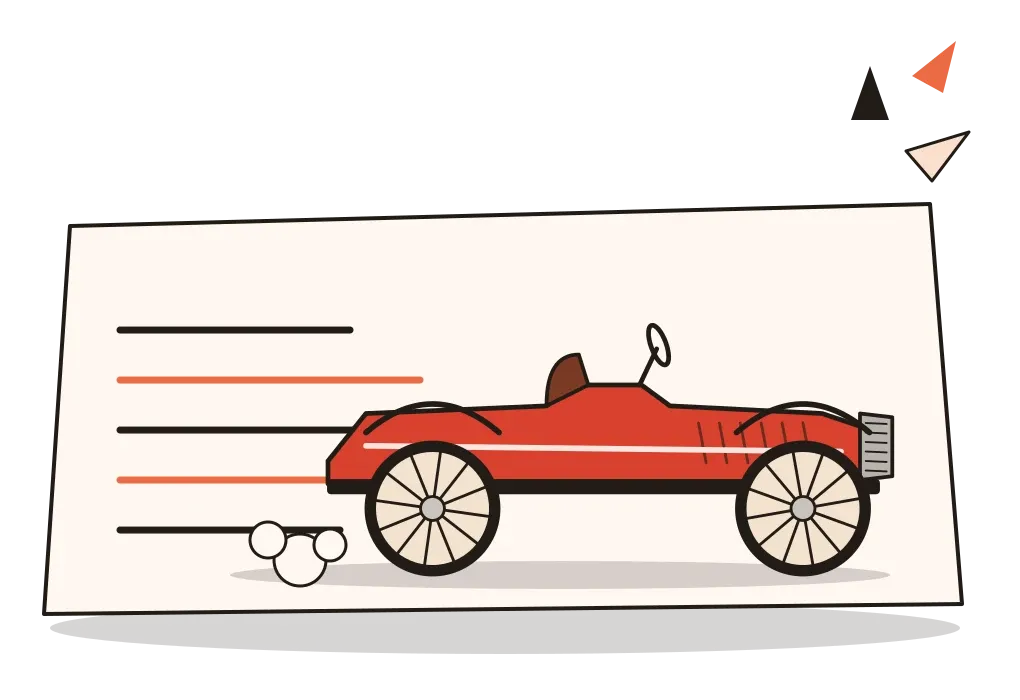
Futurism
How a poet's car crash in Milan became a movement that worshipped speed, noise and machines, and then war.
Futurism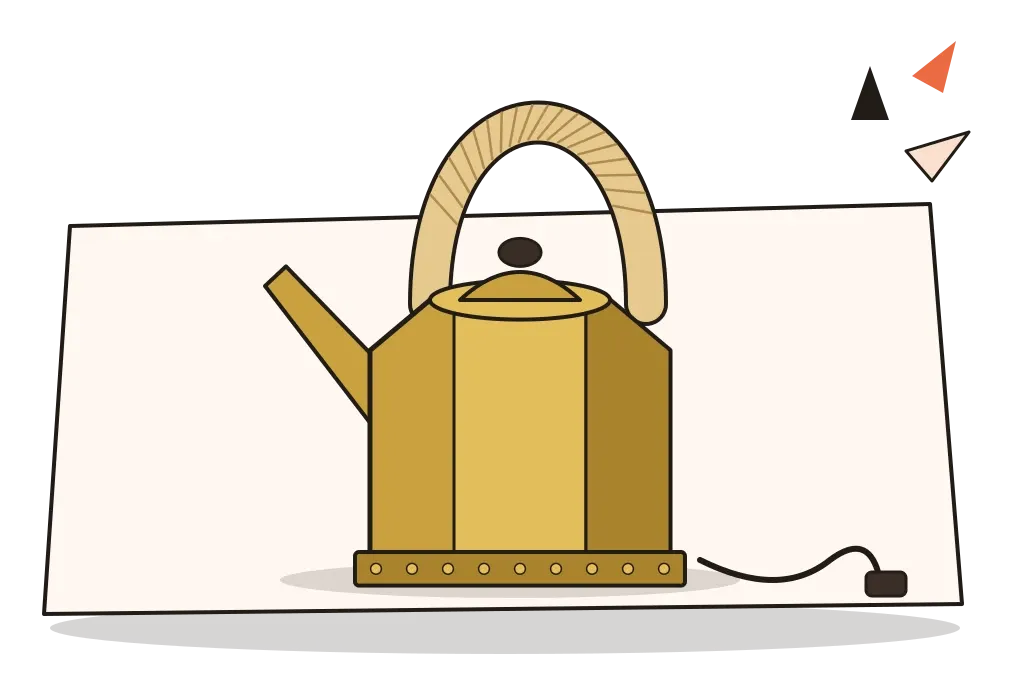
The Deutscher Werkbund
How German designers and factory owners joined forces to make everyday goods better, and argued about what better meant.
Deutscher Werkbund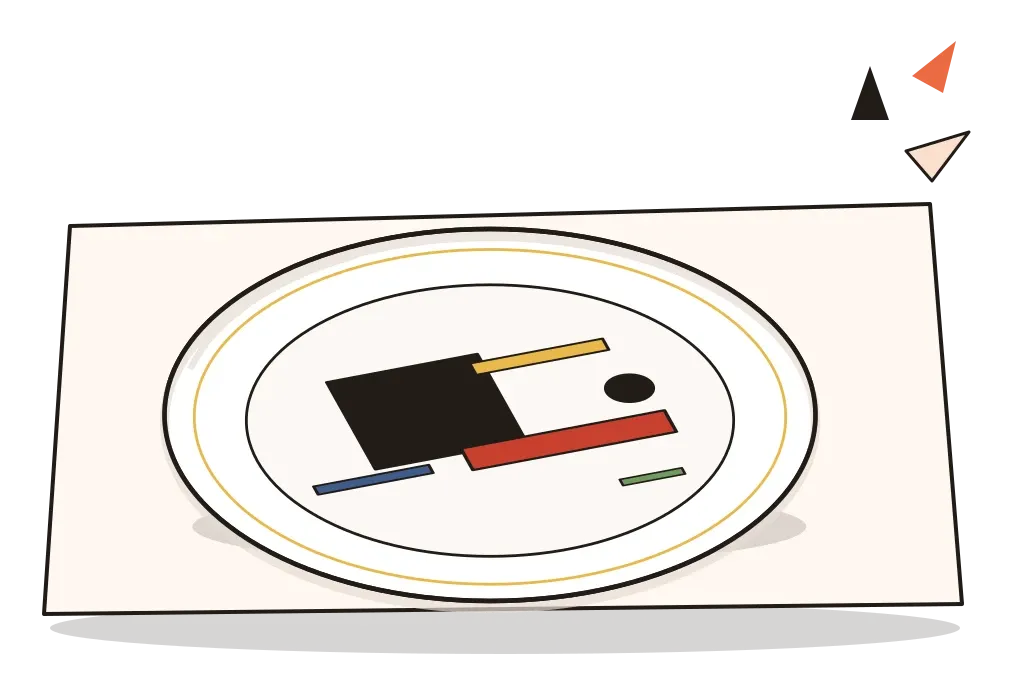
Suprematism
How Kazimir Malevich emptied painting of objects and left flat shapes floating in white space.
Suprematism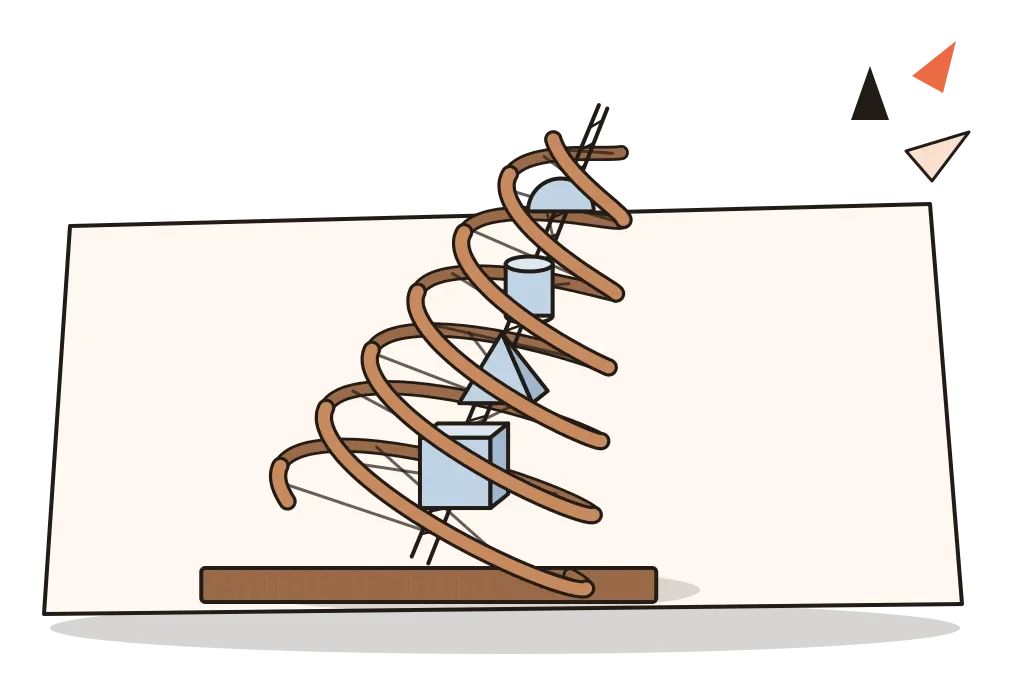
Constructivism
How Russian artists after 1917 traded the easel for the factory, the poster and the stage.
Constructivism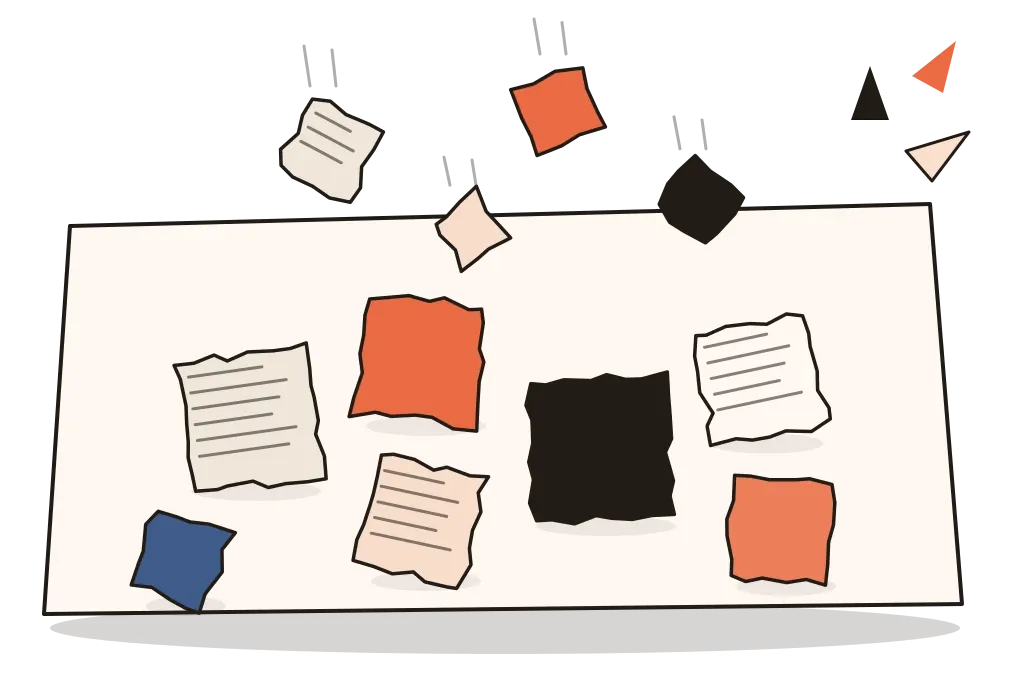
Dada
How artists in wartime Zurich, Berlin and Paris answered the slaughter with nonsense, chance and scissors.
Dada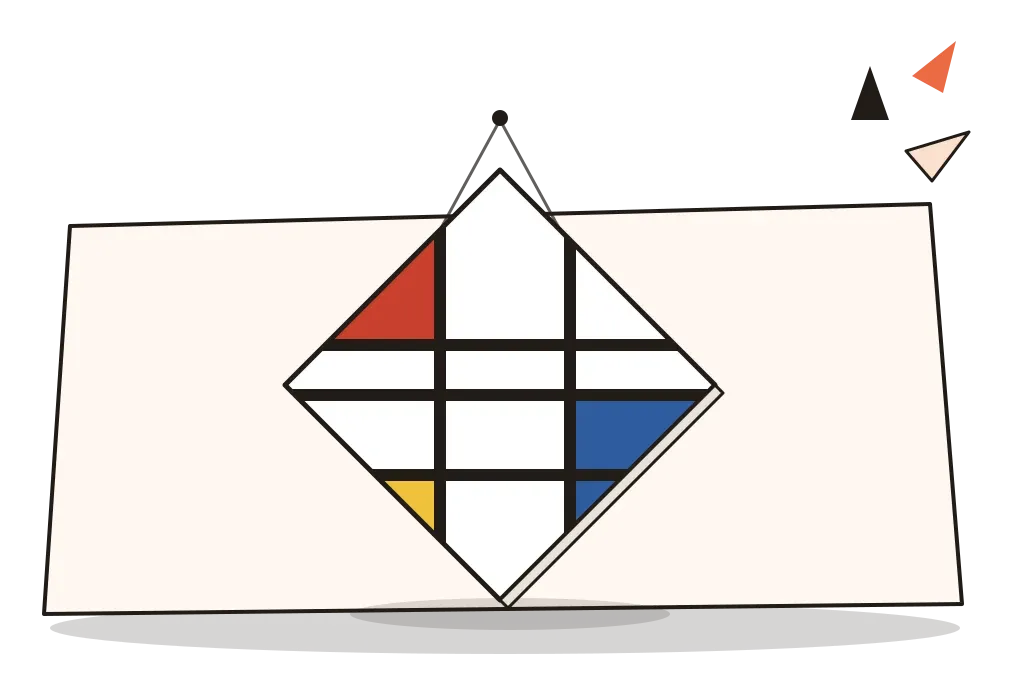
De Stijl
How a small Dutch group tried to rebuild art, furniture and rooms from straight lines and primary colours.
De Stijl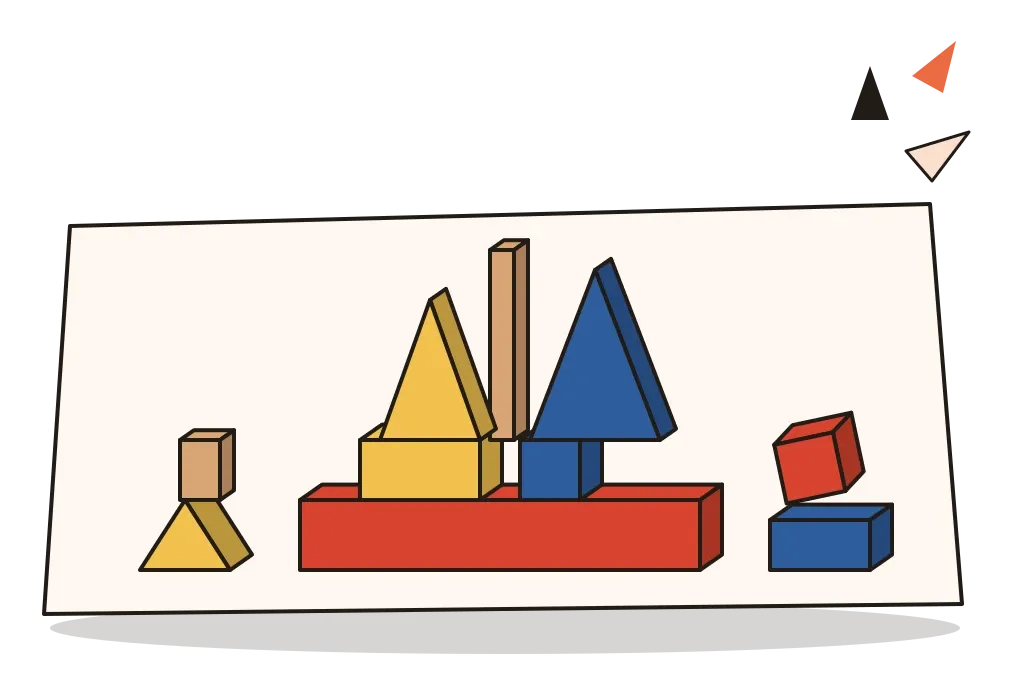
The Bauhaus
A small German art school that spent fourteen years teaching artists to design for the factory.
the Bauhaus
Surrealism
How a group of poets and painters in 1920s Paris tried to put dreams, chance and desire to work.
Surrealism
Art Deco
The geometric, glamorous style of the 1920s and 1930s, from Paris and Manhattan to Mumbai's seafront.
Art Deco
Streamline Moderne
How 1930s designers wrapped trains, fridges and pencil sharpeners in the smooth curves of speed.
Streamline Moderne
The New Typography
How a young Leipzig typographer told a whole trade to stop centring, drop the ornament and let pages work.
New Typography
The International Style
How a 1932 museum show turned Europe's new white, flat-roofed buildings into a style the whole world could copy.
International Style
Vorticism and Orphism
Two brief offshoots of Cubism, one all hard diagonals in London, one all singing colour in Paris.
Vorticism and Orphism
Mexican Muralism
How painters after the Mexican Revolution took art off the easel and put a nation's story on public walls.
Mexican Muralism
The Harlem Renaissance
How Black American writers, artists and designers in 1920s Harlem set out to redraw their own image.
Harlem Renaissance
Organic Design
Why mid-twentieth-century designers traded steel tubes and right angles for curves shaped by bodies, bones and trees.
organic design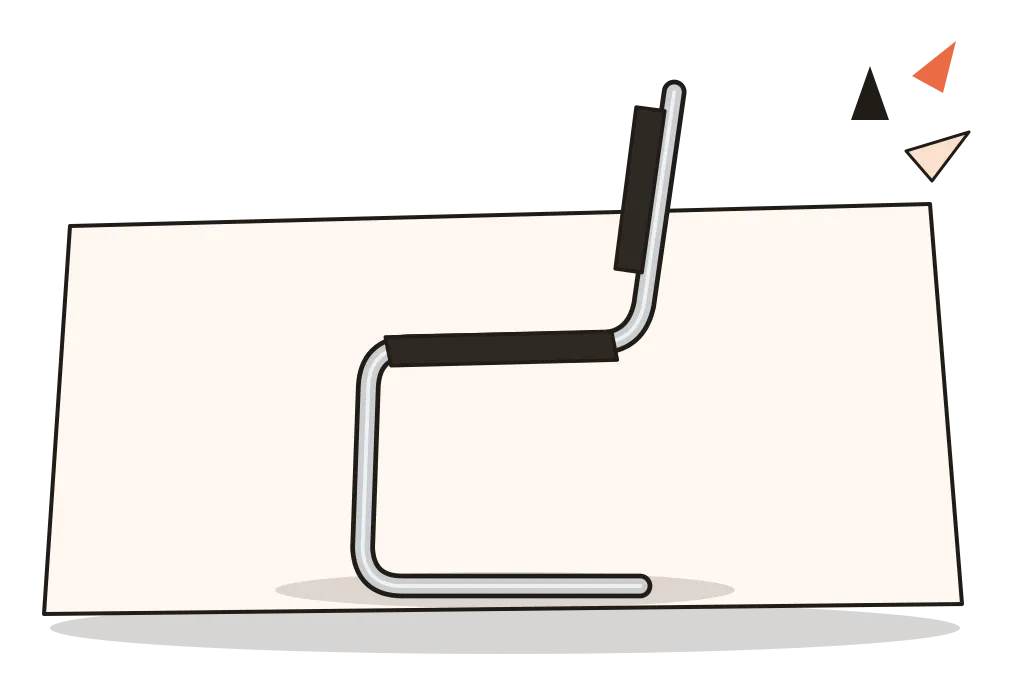
Modernism in Design
How designers between the wars tried to make everyday things as efficient, honest and repeatable as machines.
modernist design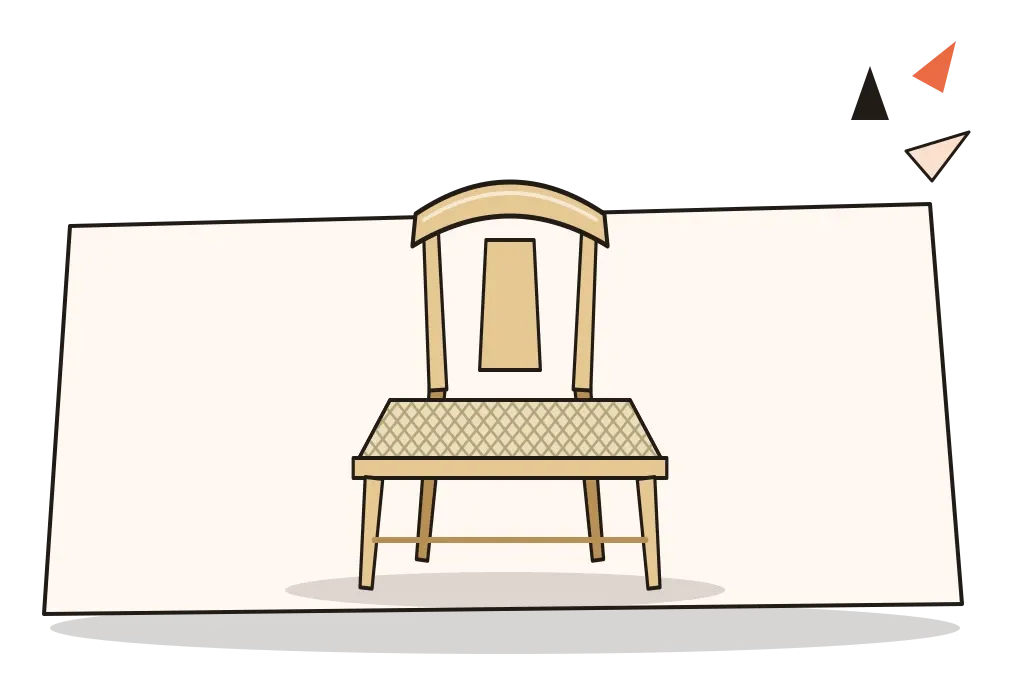
Scandinavian Design
How designers in the Nordic countries kept modernism's honesty but swapped chrome for birch, cord and comfort.
Scandinavian design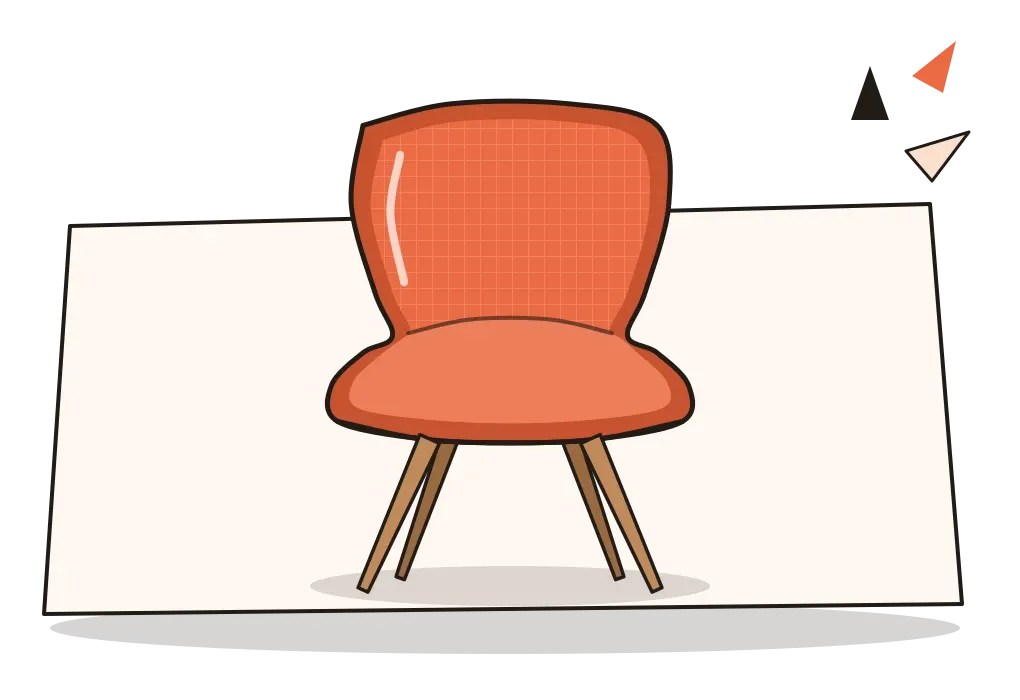
Mid-Century Modern
How post-war American designers took wartime plywood, fibreglass and steel and turned them into cheerful furniture for ordinary homes.
mid-century modern
Abstract Expressionism
How a group of New York painters put the canvas on the floor and made the act of painting the subject.
abstract expressionism
The Progressive Artists' Group
How six young Bombay painters, just after independence, set out to make art that was both modern and Indian.
Progressive Artists' Group
The Swiss Style
How Swiss designers of the 1950s built pages on grids, chose plain sans-serifs and tried to make design neutral.
Swiss Style
The Ulm School of Design
How a small German design school, founded as a memorial, tried to turn design into a science.
Ulm School of Design
Brutalism
Why post-war architects left concrete raw, rough and honest, and why we still argue about it.
Brutalism
The Eames India Report
How a short 1958 report by two American designers, with no designs in it, shaped Indian design education.
Eames India Report
Indian Design Education
How NID, IDC and a village experiment in Rajasthan turned a foreign report into an Indian way of teaching design.
Indian design education
Pop Art
How artists in London and New York turned adverts, comics and supermarket shelves into the subject of art.
Pop Art
Op Art
How painters in the 1960s made pictures whose real subject was the eye looking at them.
Op Art
Metabolism
How young Japanese architects imagined cities that could grow, shed parts and renew themselves like living bodies.
Metabolism
Minimalism
How artists in 1960s New York stripped art down to plain, factory-made forms, and why it still shapes our rooms and screens.
Minimalism
Psychedelic Design
How 1960s concert posters bent letters into flames, set colours humming and asked to be looked at slowly.
Psychedelic Design
Conceptual Art
How artists in the 1960s and 1970s made the idea the artwork, and the object an optional extra.
Conceptual Art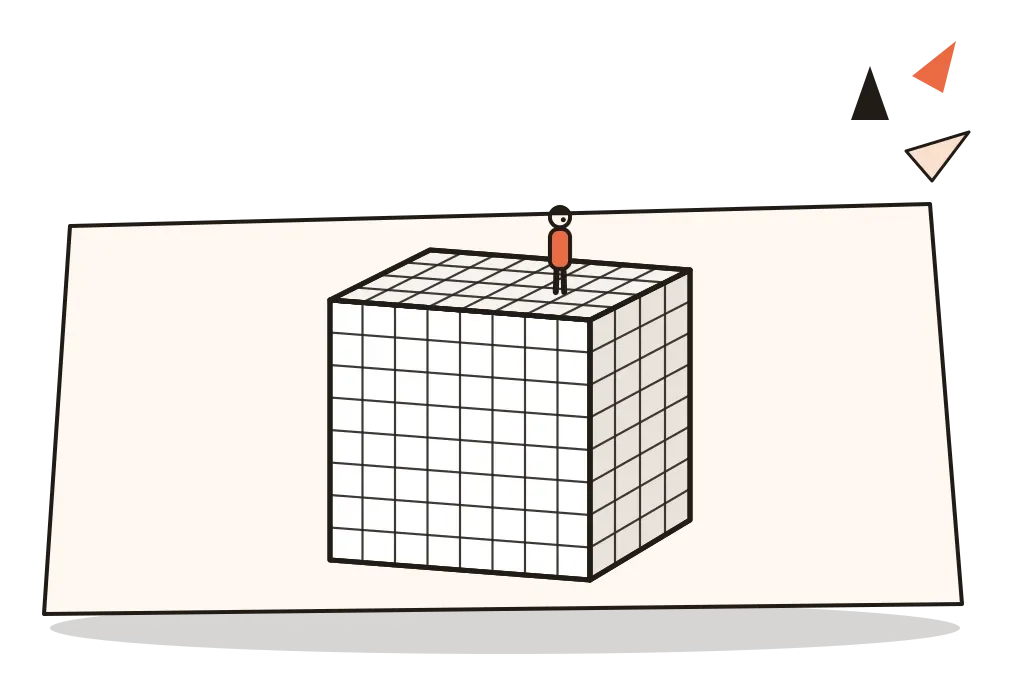
Radical Design
How young Italian designers in the late 1960s used chairs, grids and impossible cities to argue with design itself.
Radical Design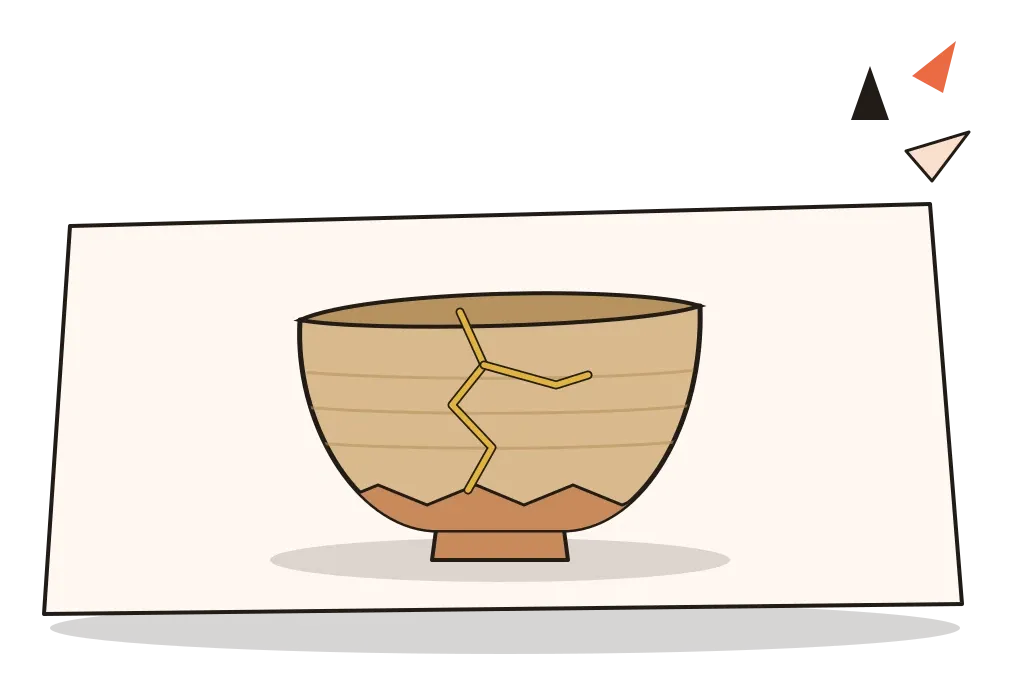
Mingei and Japanese Aesthetics
How a Japanese philosopher found beauty in cheap everyday pots, and why wabi-sabi and ma still shape quiet design.
Mingei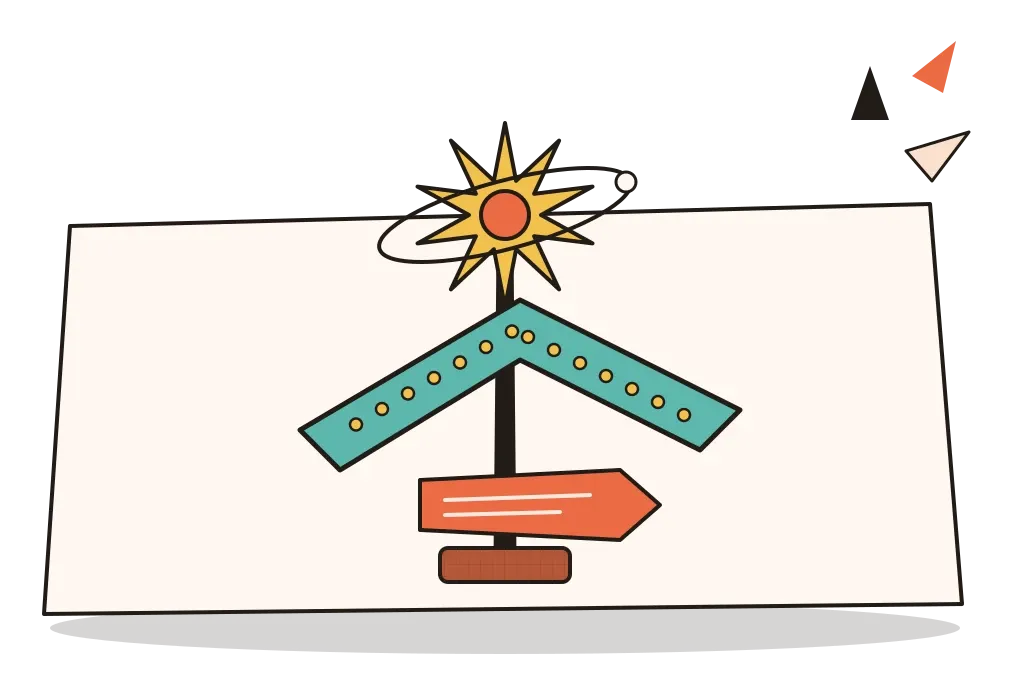
Googie and Atomic Age Design
How post-war America put rockets, atoms and boomerangs on coffee shops, cars and kitchen tables.
Googie design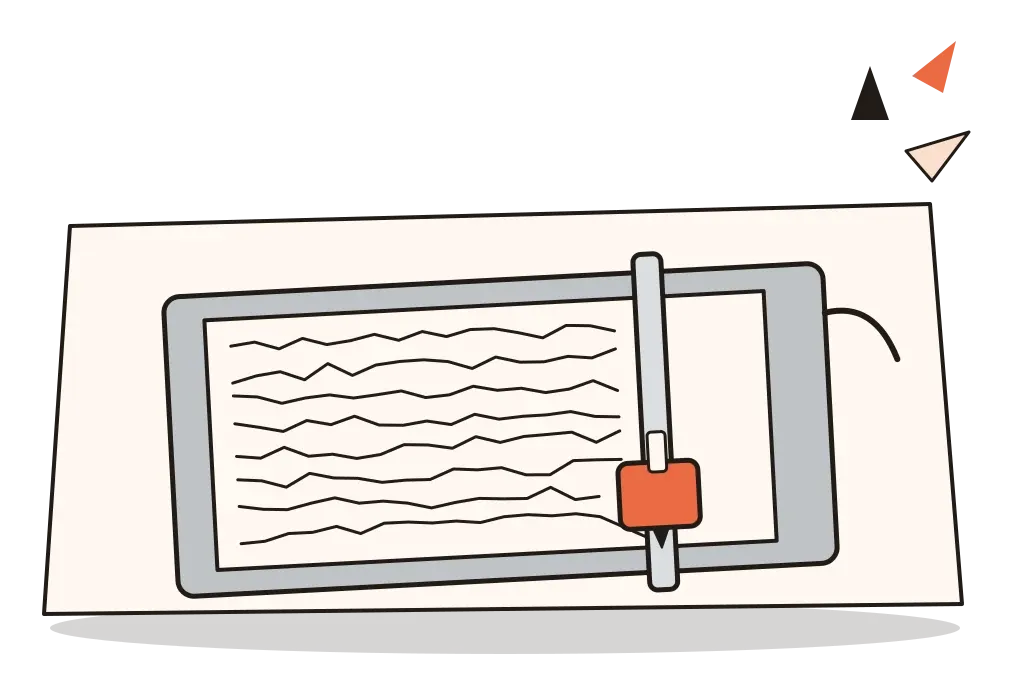
Computational and Generative Art
How a few engineers and artists in the 1960s taught computers to draw, and why designers now write rules.
generative art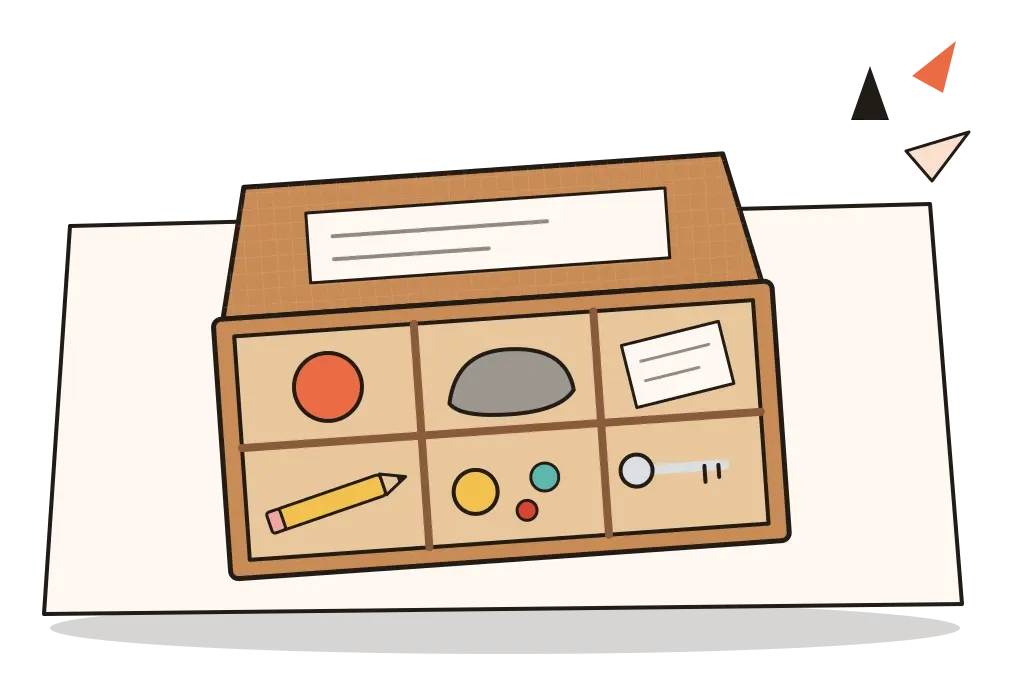
Fluxus
How a loose network of 1960s artists turned everyday actions, small boxes and simple instructions into art.
Fluxus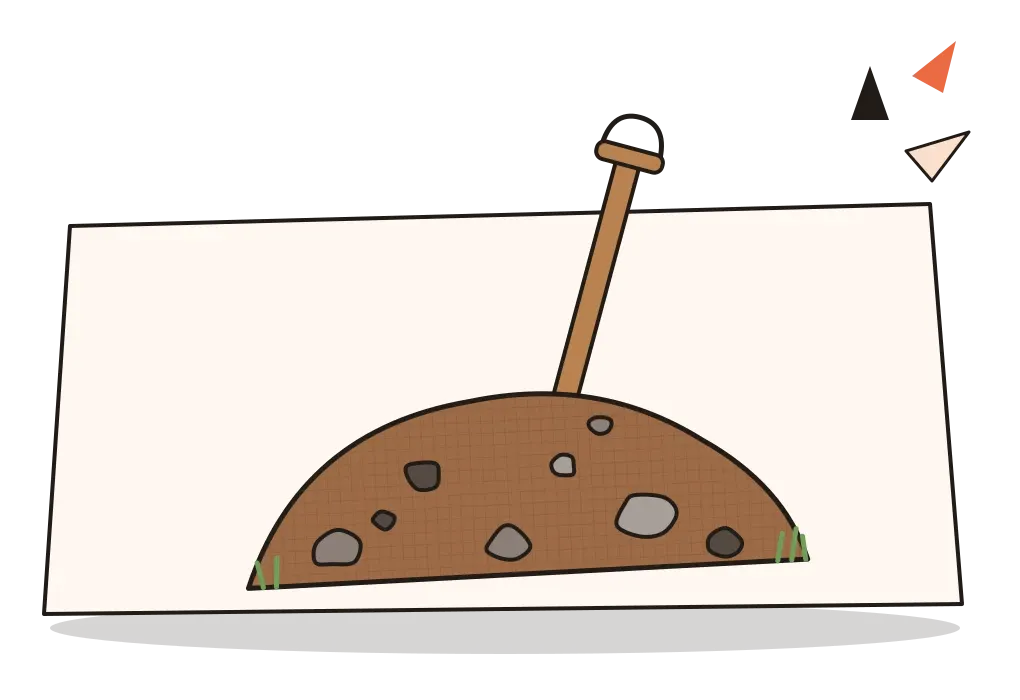
Land Art
How artists in the late 1960s left the gallery for deserts, lakes and fields, and made the landscape their material.
Land Art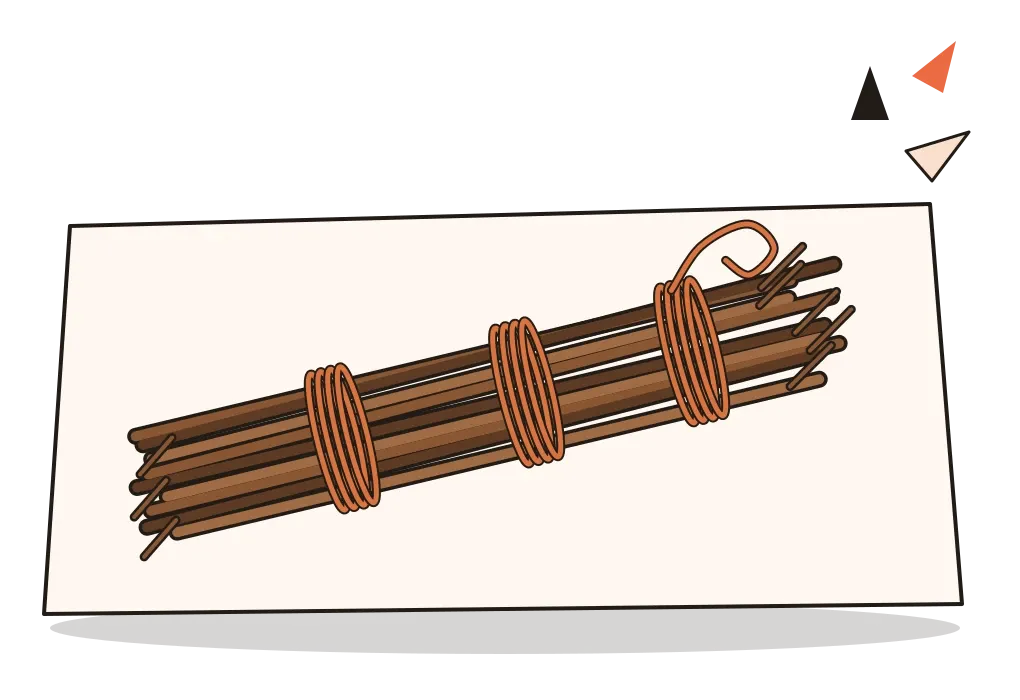
Arte Povera
How a group of Italian artists in the late 1960s made art from rags, coal, lettuce, twigs and live horses.
Arte Povera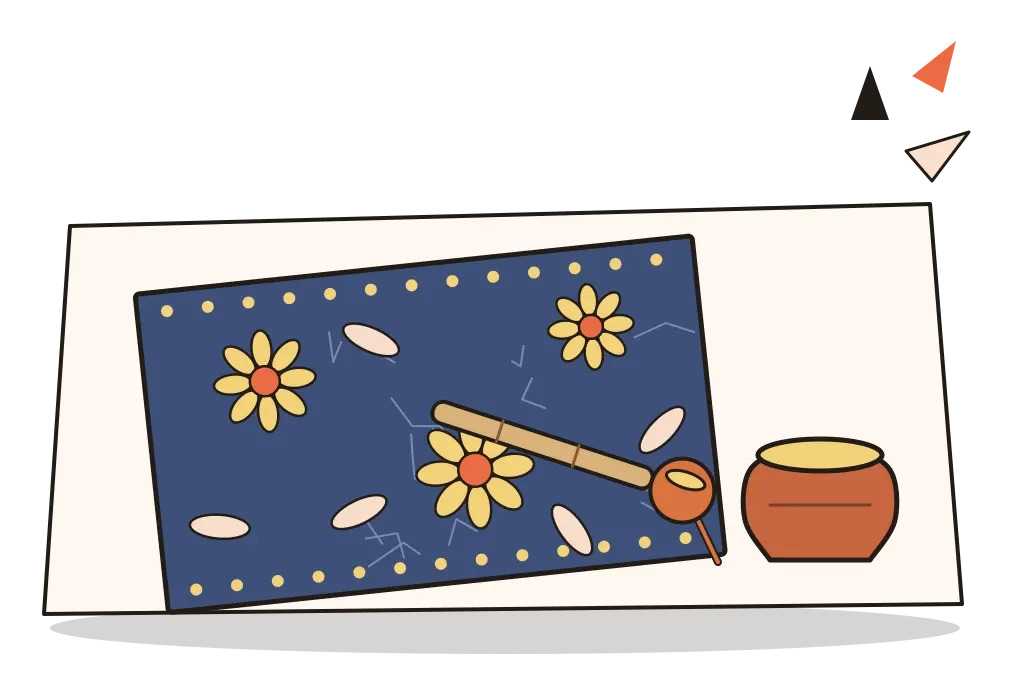
The Baroda School and the Madras Art Movement
How artists in Baroda and Madras built modern Indian art from craft, folk traditions and their own regions.
regional Indian modernism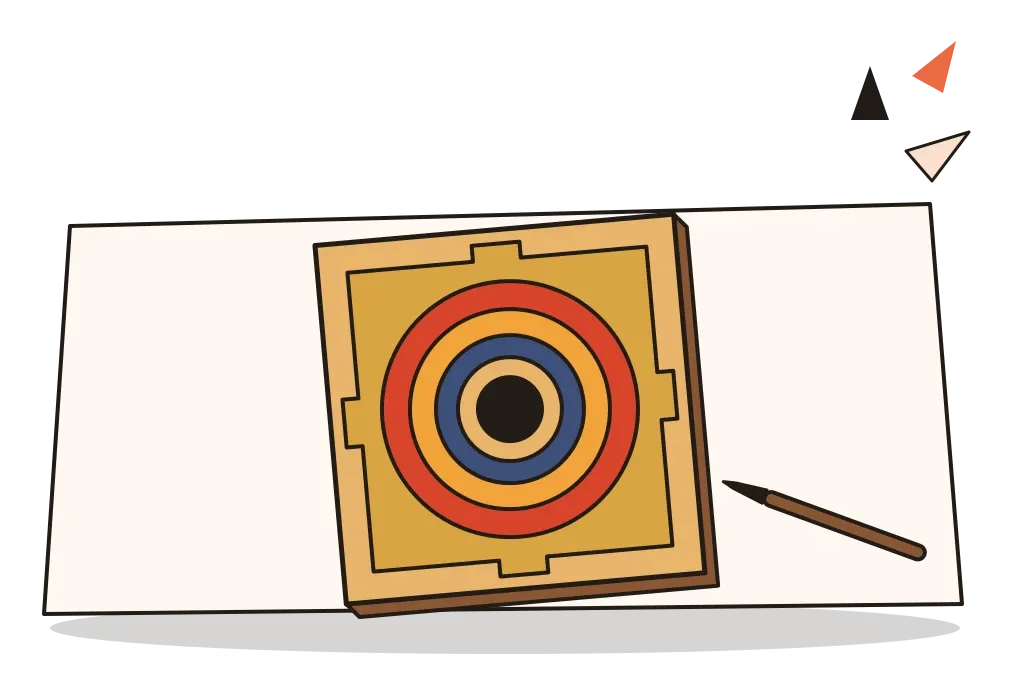
Neo-Tantra
How Indian painters of the 1960s and 1970s built a modern abstract art from dots, triangles and Tantric diagrams.
Neo-Tantra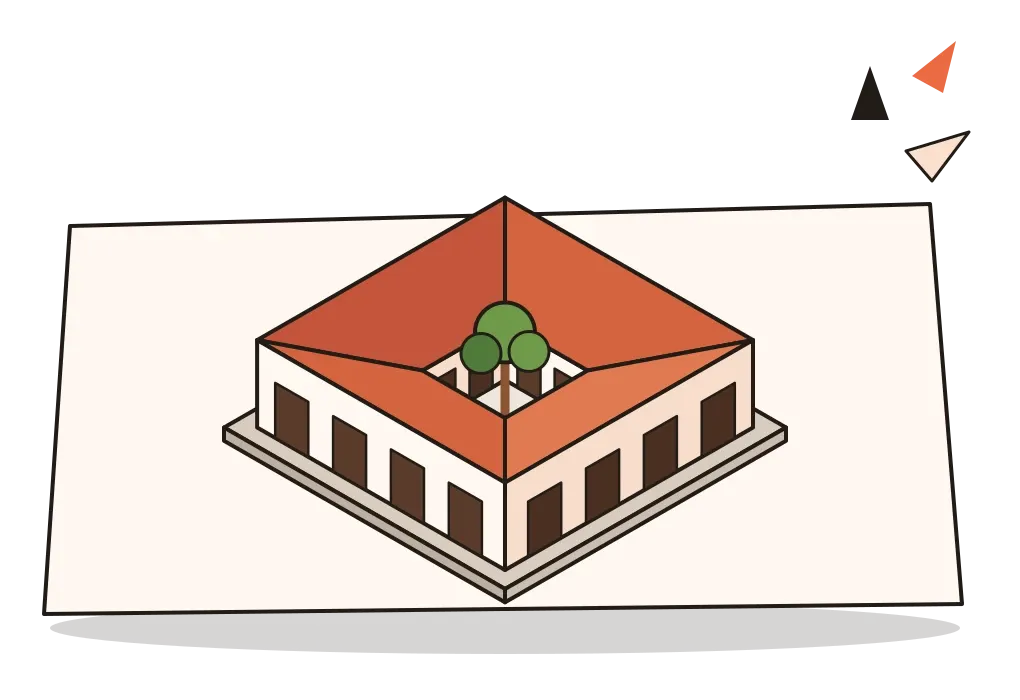
Indian Modern Architecture
How Kanvinde, Doshi, Correa and their peers made modern buildings that answered India's sun, rain and crowds.
Indian modern architecture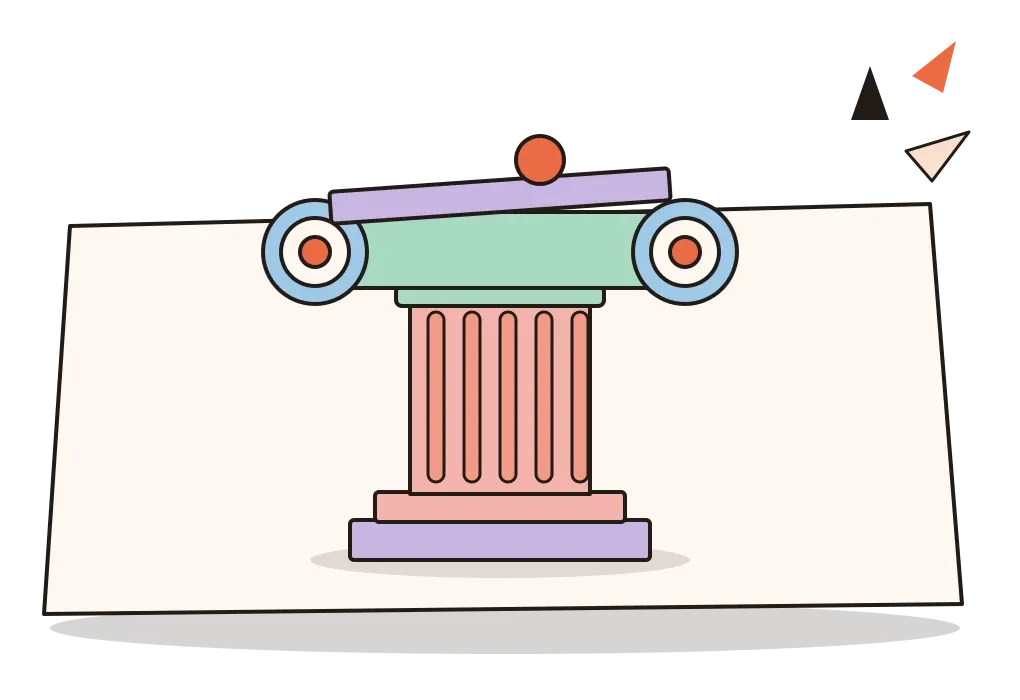
Postmodernism
How architects brought back columns, colour and jokes, and why the party ended in leaks and arguments.
Postmodernism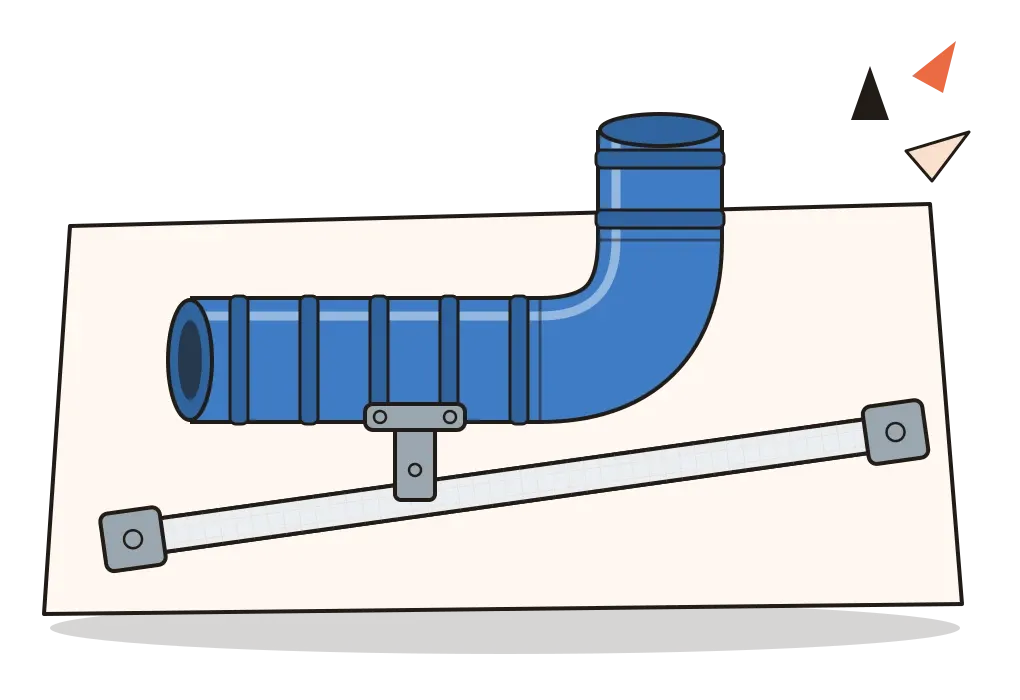
High-Tech Architecture
Why architects in the 1970s put the pipes on the outside and painted them like a diagram.
High-Tech Architecture
The Memphis Group
How a few designers in Milan turned plastic laminate and bad taste into the most talked-about furniture of the 1980s.
Memphis Group
Emigre and Digital Type
How a small magazine in California treated the early Macintosh as a new material and rewrote the rules of type.
Emigre digital type
Deconstructivism
How a 1988 museum show gave a name to tilted, fractured buildings, and why architects still argue about it.
Deconstructivism
Grunge Typography
How a few 1990s magazine designers made type messy, loud and hard to read, on purpose.
grunge typography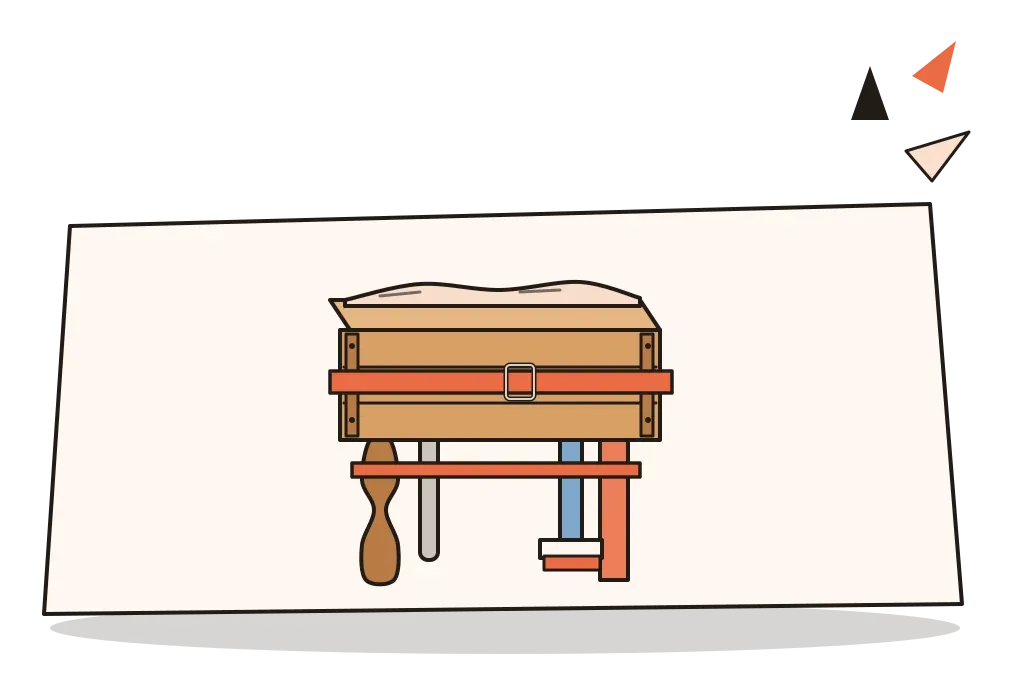
Dutch Design
How young Dutch designers in the 1990s made furniture from old drawers, rags and dry jokes.
Dutch design
Early Web Design
How the first web designers turned grey pages, tables and tiny GIFs into a medium of their own.
early web design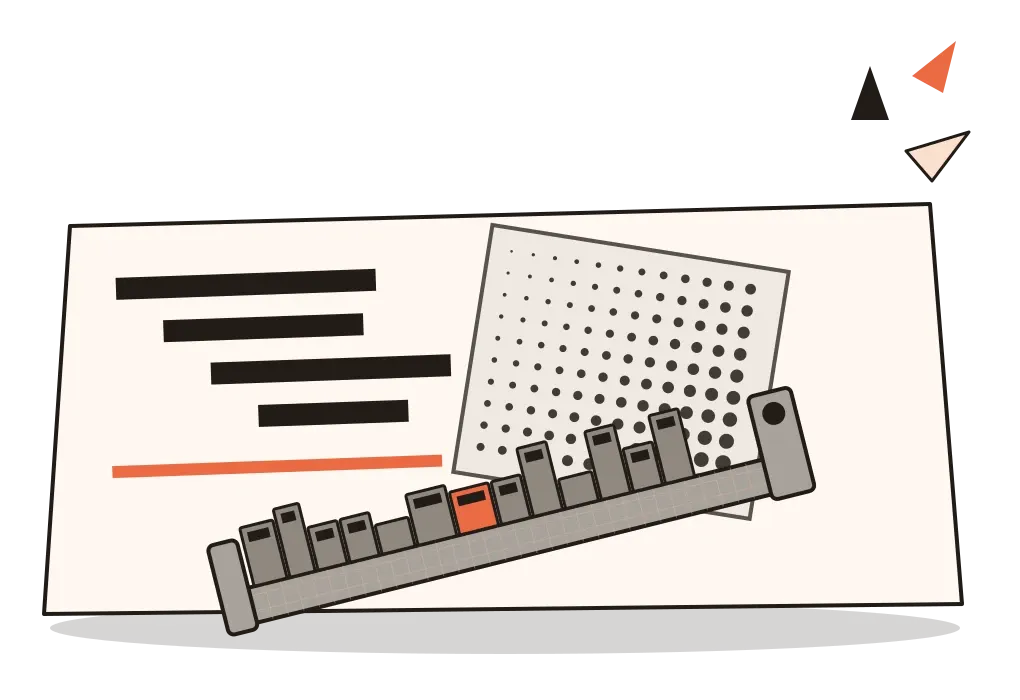
Swiss Punk and New Wave Typography
How a German typesetter teaching in Basel shook the tidy Swiss grid loose, and why American students cheered.
New Wave typography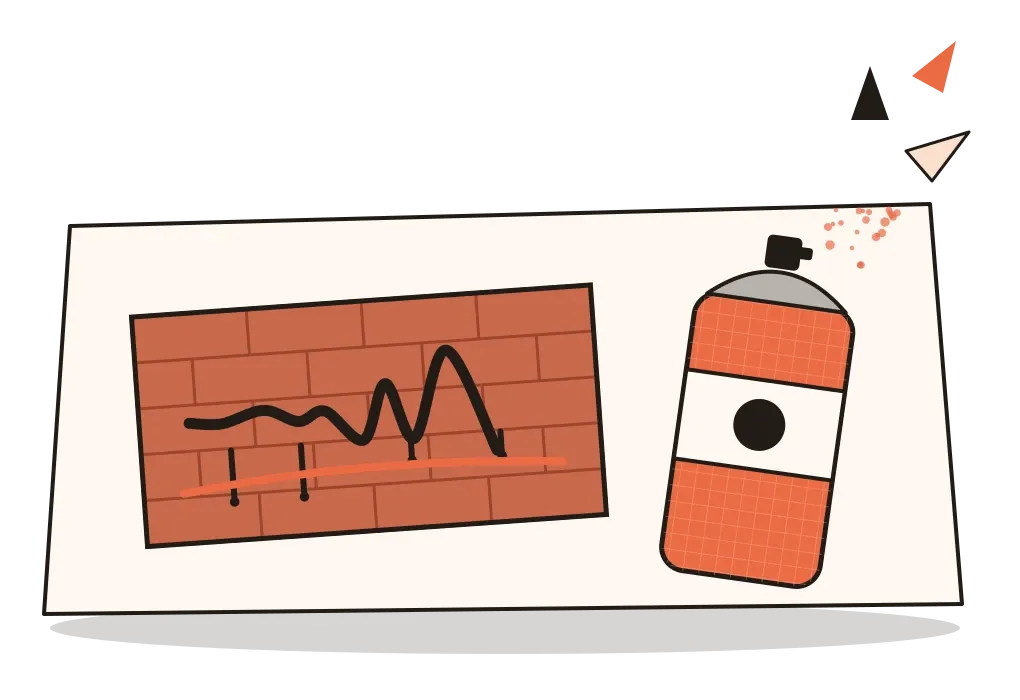
Street Art and Graffiti
How names written on New York's trains grew into a worldwide art of public walls, and its quarrels.
street art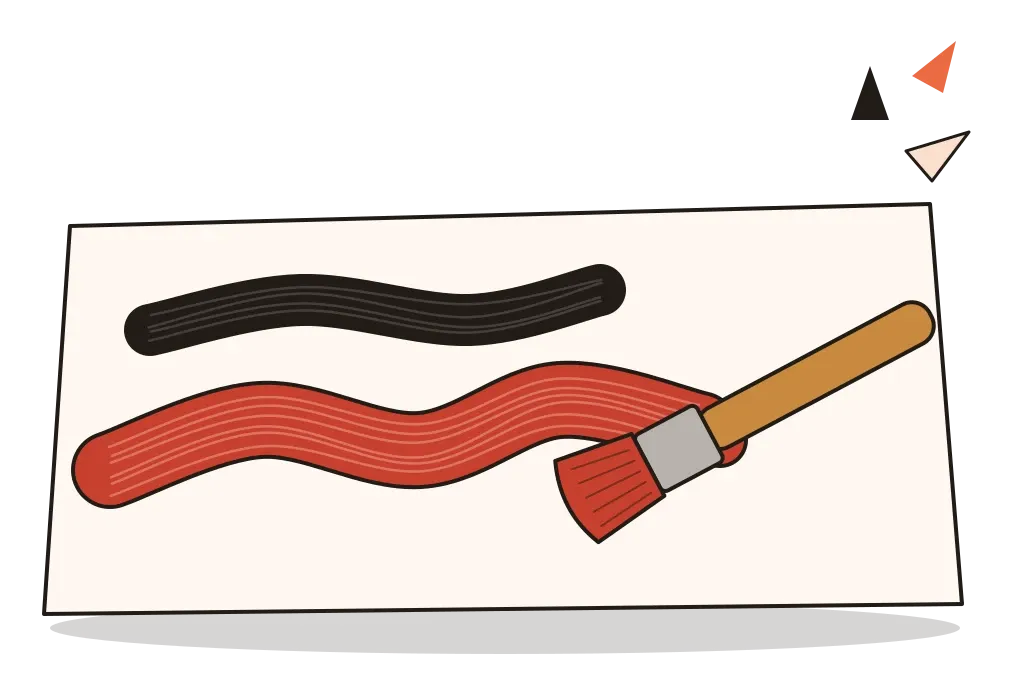
Neo-Expressionism
How painters in Germany, Italy and New York brought back thick paint, bodies and history after years of cool restraint.
Neo-Expressionism
Pixel Art and Early Computer Graphics
How designers learned to draw with tiny squares of light, and why the limits of early screens made such memorable pictures.
pixel art
Web 2.0 Aesthetics
How the mid-2000s web turned glossy, rounded and reflective, and started asking its visitors to fill it.
Web 2.0 design
Skeuomorphism
Why screens spent a decade dressed as leather, wood, felt and tape, and what that costume was for.
skeuomorphic design
Flat Design
How screens shed their leather and shine for solid colour, clean type and icons borrowed from public signs.
flat design
Material Design
Google's idea that a screen could be built from a magical kind of paper, and the design system that followed.
Material Design
Responsive and Mobile-First Design
How web pages learned to rearrange themselves for any screen, and why designers began with the smallest.
responsive design
Brutalist Web Design
Why some web designers in the 2010s chose raw HTML, clashing colours and deliberate awkwardness.
brutalist web design
Neumorphism
The brief craze for soft, pale interfaces that seemed pressed out of the screen, and why it faded.
neumorphism
Glassmorphism
How frosted, see-through layers became the 2020s answer to depth on screens, and what they cost.
glassmorphism
The Y2K Revival
How the shiny, see-through look of the turn of the millennium came back in the 2020s, and what it was replying to.
Y2K aesthetic
Speculative and Critical Design
Designers who make objects not to sell but to ask questions about the futures technology might bring.
speculative design
Sustainable and Regenerative Design
How designers began counting the cost of what they make, and why some now want design to give back more than it takes.
sustainable design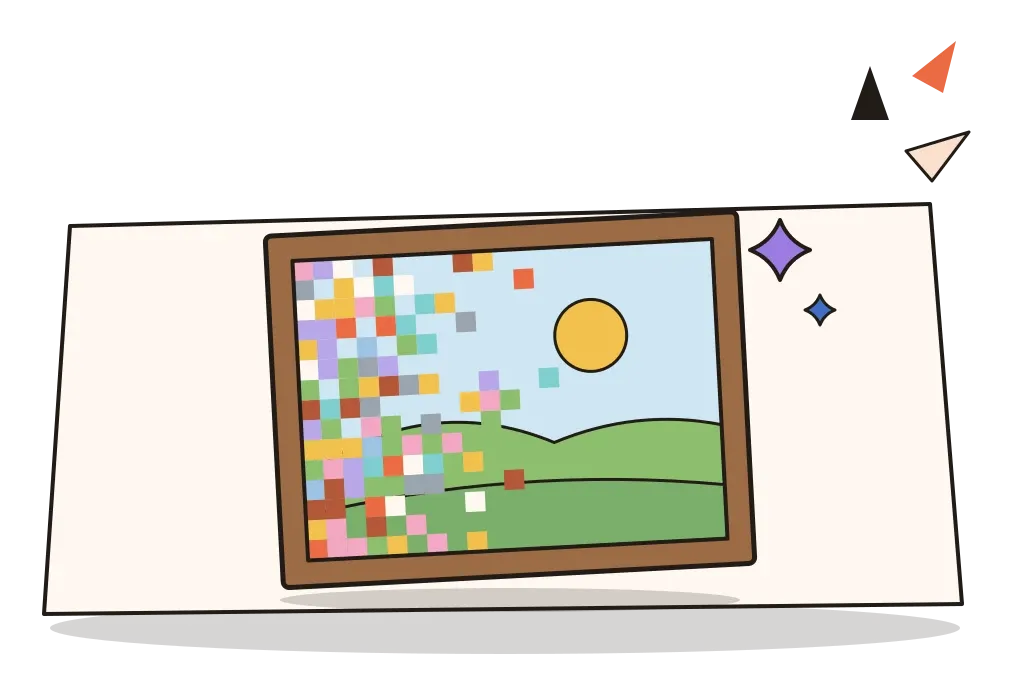
AI-Generated Aesthetics
How image generators produced a look of their own within months, and the fights over credit, copyright and work that came with it.
AI art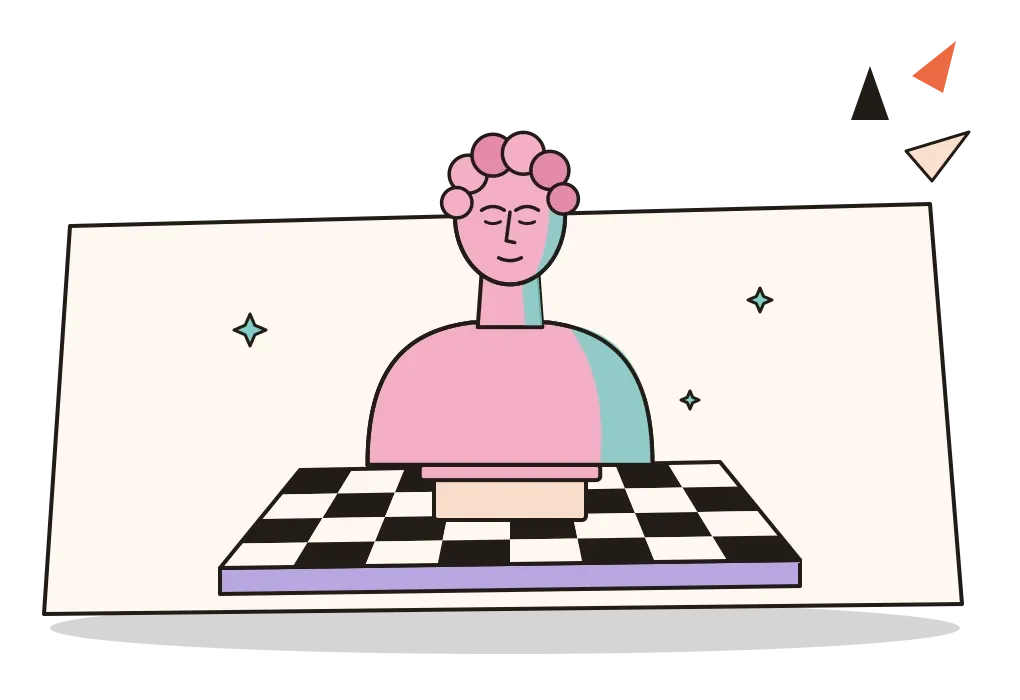
Vaporwave
How slowed-down muzak, marble busts and old computer screens became the internet's strangest kind of nostalgia.
Vaporwave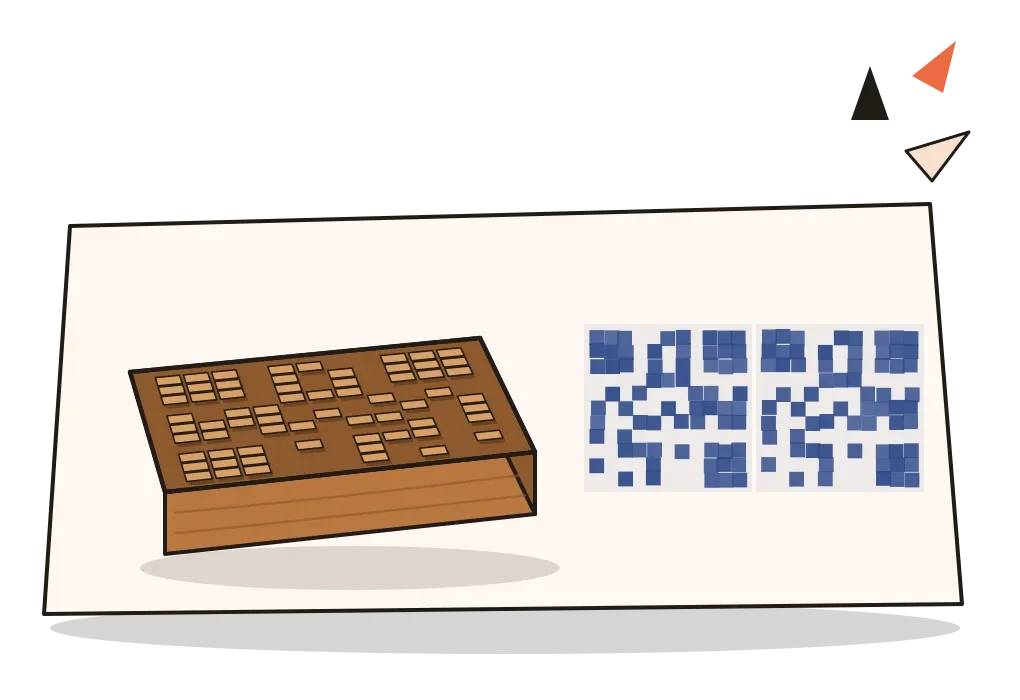
Contemporary Indian Design
How Indian designers since the 1990s have turned craft, bazaars and many scripts into a modern design language.
contemporary Indian design