First Principles: The Building Blocks of Visual Thinking
Before there are interfaces, products or brands, there are points, lines, shapes and colours. Every design school begins here, because everything else is built on these few elements and the principles that arrange them. This is a return to those fundamentals: balance, contrast, hierarchy and colour, explained for anyone who wants to see how good design actually works.
Every post here starts as my own thinking. AI just helps me tidy the edges.
Design, Art, Craft
Three words that were once one, and still refuse to stay apart.
History of Design
Form Follows Function
What Louis Sullivan really meant, and why designers still argue about it.
Louis Sullivan
Solving the Problem, or Finding It
Two ways of seeing the designer's job, and why the best work needs both.
problem framing
Design Thinking
What the five famous steps get right, and what they quietly leave out.
design thinking process
Wicked Problems
Why some problems can't be solved, only made better or worse.
Rittel and Webber
Research Through Design
How making things can be a way of finding things out.
design research
Visual Literacy
Learning to read images as carefully as we read words.
ways of seeing
Point
The smallest thing in design, and why it's never really small.
elements of design
Line
How a single mark can lead the eye, carry a mood and hold a whole drawing together.
elements of design
Shape
Why the outlines we draw carry meaning, and why the space around them matters just as much.
Design Foundations
Form
What changes when a shape gains depth, weight and a back side you can't see.
elements of design
Space
Why the empty parts of a design do as much work as the full ones.
space in design
Texture
How surfaces speak to our hands and eyes, even on a screen you can't touch.
visual texture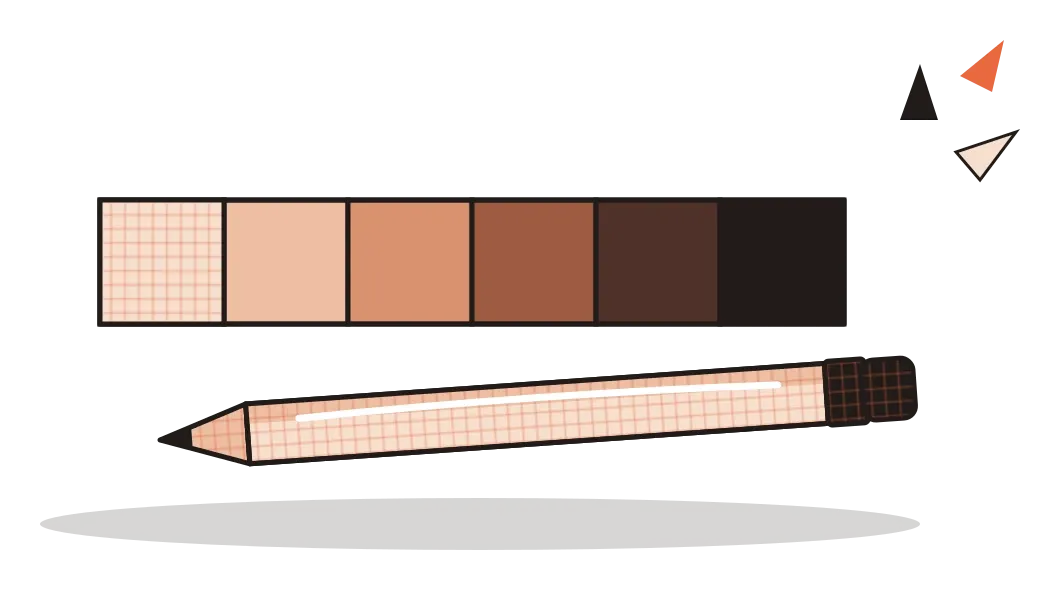
Value
Why lightness and darkness do more work than colour ever gets credit for.
Contrast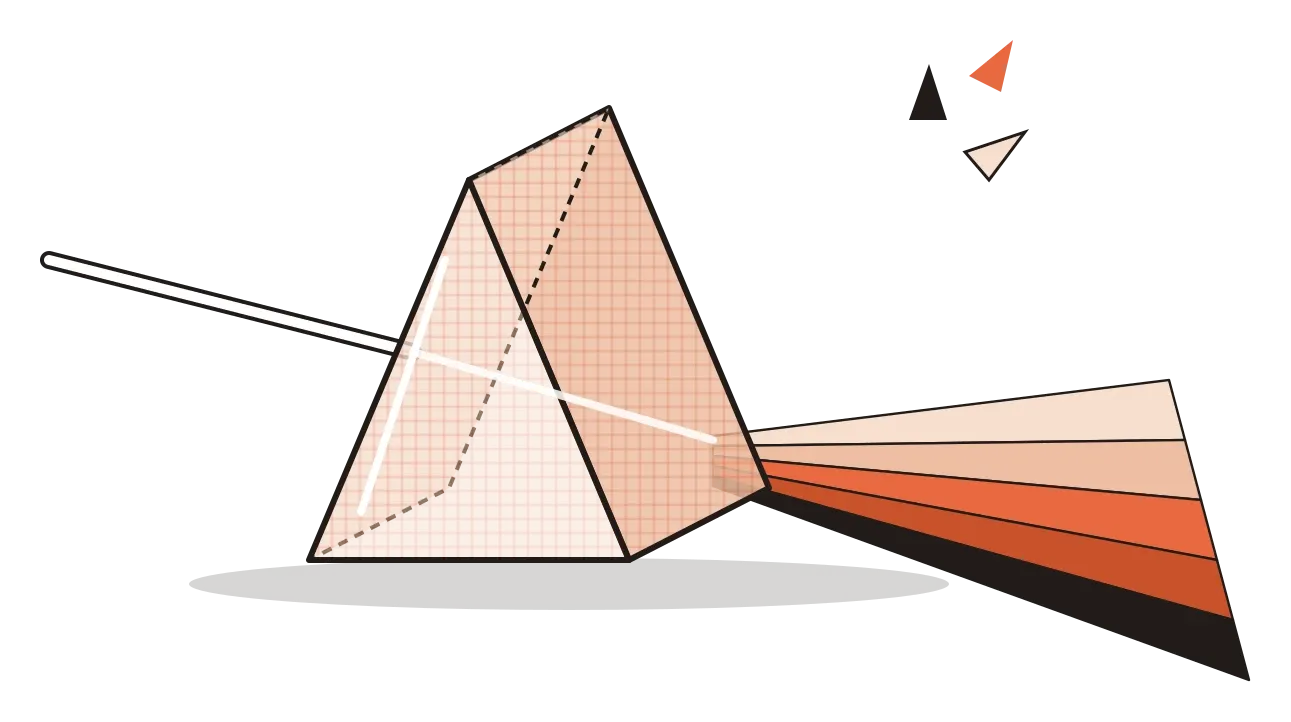
Colour
Hue, saturation and value, and why no two people see colour quite the same way.
hue saturation value
Balance
How designs feel stable, tense or alive, and why perfect symmetry isn't the only answer.
symmetry
Contrast
Why difference is what makes anything noticeable, and how too much of it becomes noise.
visual contrast
Emphasis and Focal Point
How designers decide where your eyes go first, and why every design needs a place to land.
focal point
Hierarchy
How designers put information in order, so people find what they need without reading everything.
visual/typographic hierarchy
Rhythm and Repetition
How patterns move the eye, build unity and make a single change stand out.
repetition in design
Proportion and Scale
Why size only means something in relation to something else.
Scale and sizes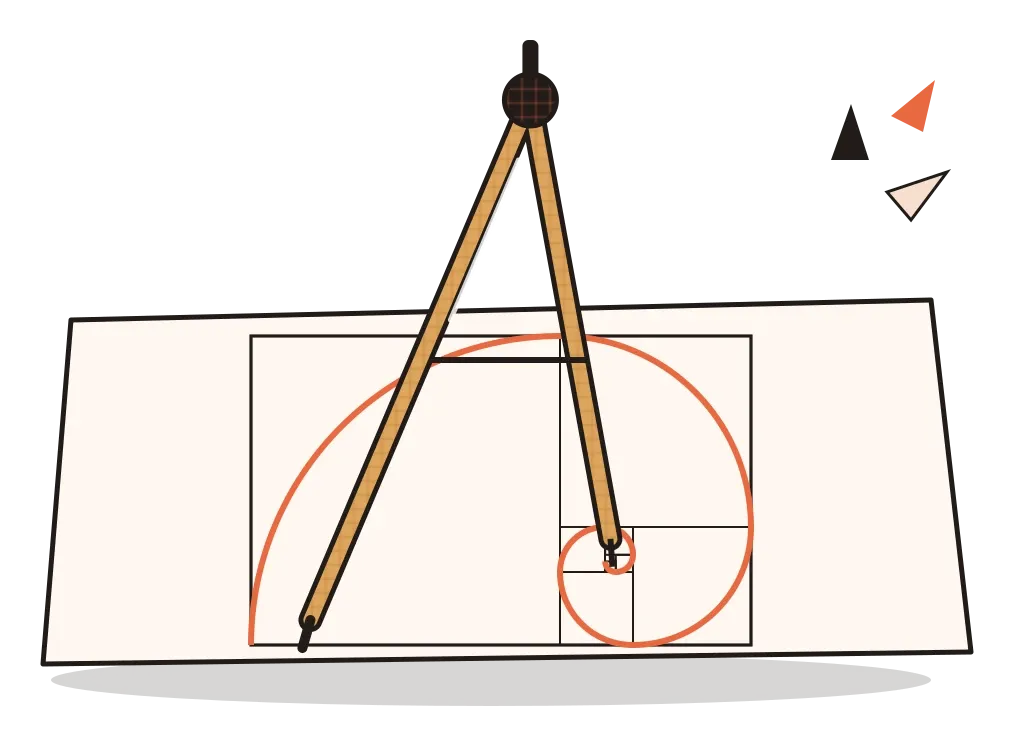
The Golden Ratio
Its real uses, its popular myths, and how to tell the difference.
code of nature
Unity and Variety
How to make a design feel like one thing without making it boring.
beauty and virtue
Figure and Ground
How we separate objects from their backgrounds, and what happens when designers blur the line.
figure-ground
Proportion Systems
From Greek statues to Chandigarh to the 8-point grid: why designers keep inventing rules for size.
Modulor
Pattern, Tessellation and Symmetry
How a single motif, repeated by simple rules, can cover a wall, a fabric or a whole floor.
Honeycomb
Observational Drawing
Why drawing what's in front of you is really a way of training your eyes.
drawing for designers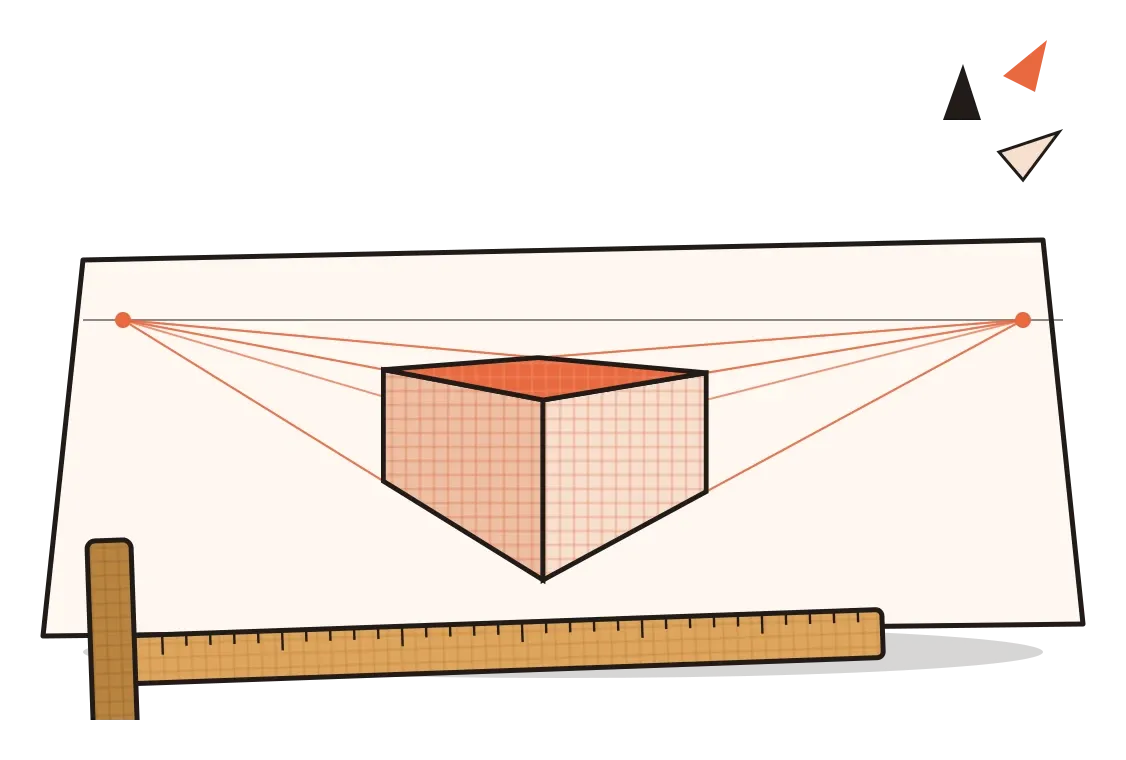
Perspective Drawing
One-, two- and three-point perspective, and why getting it slightly wrong looks so strange.
vanishing point
Gesture and Contour Drawing
Two ways of drawing: one that catches movement, and one that follows edges slowly.
contour drawing
Light, Shade and Rendering
How light falling on a surface tells us its shape, its material and where it sits in space.
rendering in design