Research Through Design
How making things can be a way of finding things out.
Research Through Design
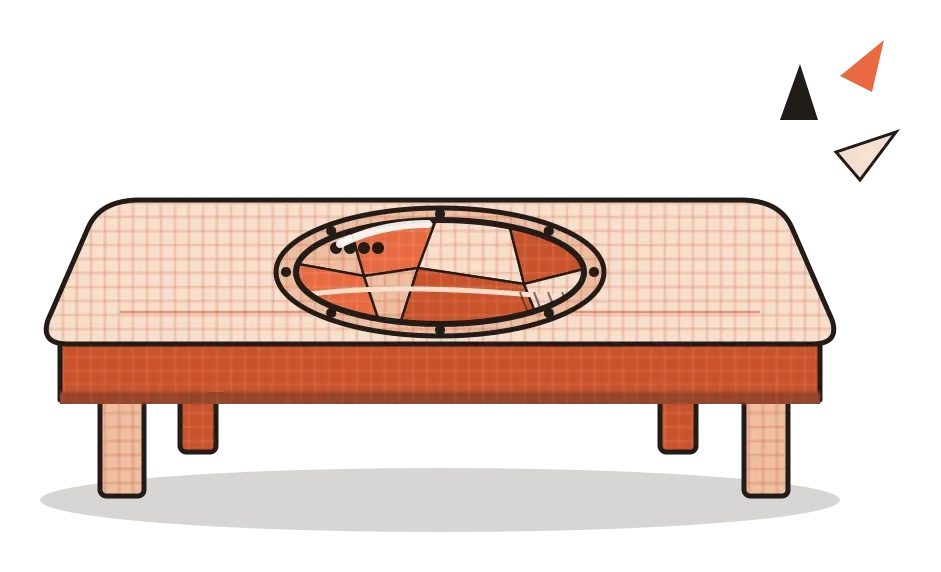
A coffee table with a window in it
In the mid-2000s, a team at the Interaction Research Studio, then part of the Royal College of Art and later based at Goldsmiths in London, built a coffee table with a small round window in the middle of its top. Look through the window and you see an aerial photograph of the British landscape, slowly drifting past as if you were floating over it in a balloon. Put a book or a cup on one side of the table, and the view drifts in that direction. That's all it does. It doesn't tell you the news, it doesn't connect to your email and it isn't trying to make you more productive. The team, led by the designer and researcher Bill Gaver, called it the Drift Table, and they placed it in real people's homes for weeks at a time to see what happened.
The point of the table was not to sell it. It was a question in the form of an object. At a time when almost every piece of technology entering the home was designed to be useful and efficient, the team wanted to understand what would happen if technology was designed for curiosity and play instead. Would people get bored? Would they invent their own uses? Would it change how they thought about technology in the house? You can't answer those questions with a survey, because people can't tell you how they'd feel about an object that doesn't exist yet. You have to make the thing and live with it. That idea, that making something can be the way you find something out, is what designers and researchers call research through design.
Into, for and through: three small words that sorted out a big argument
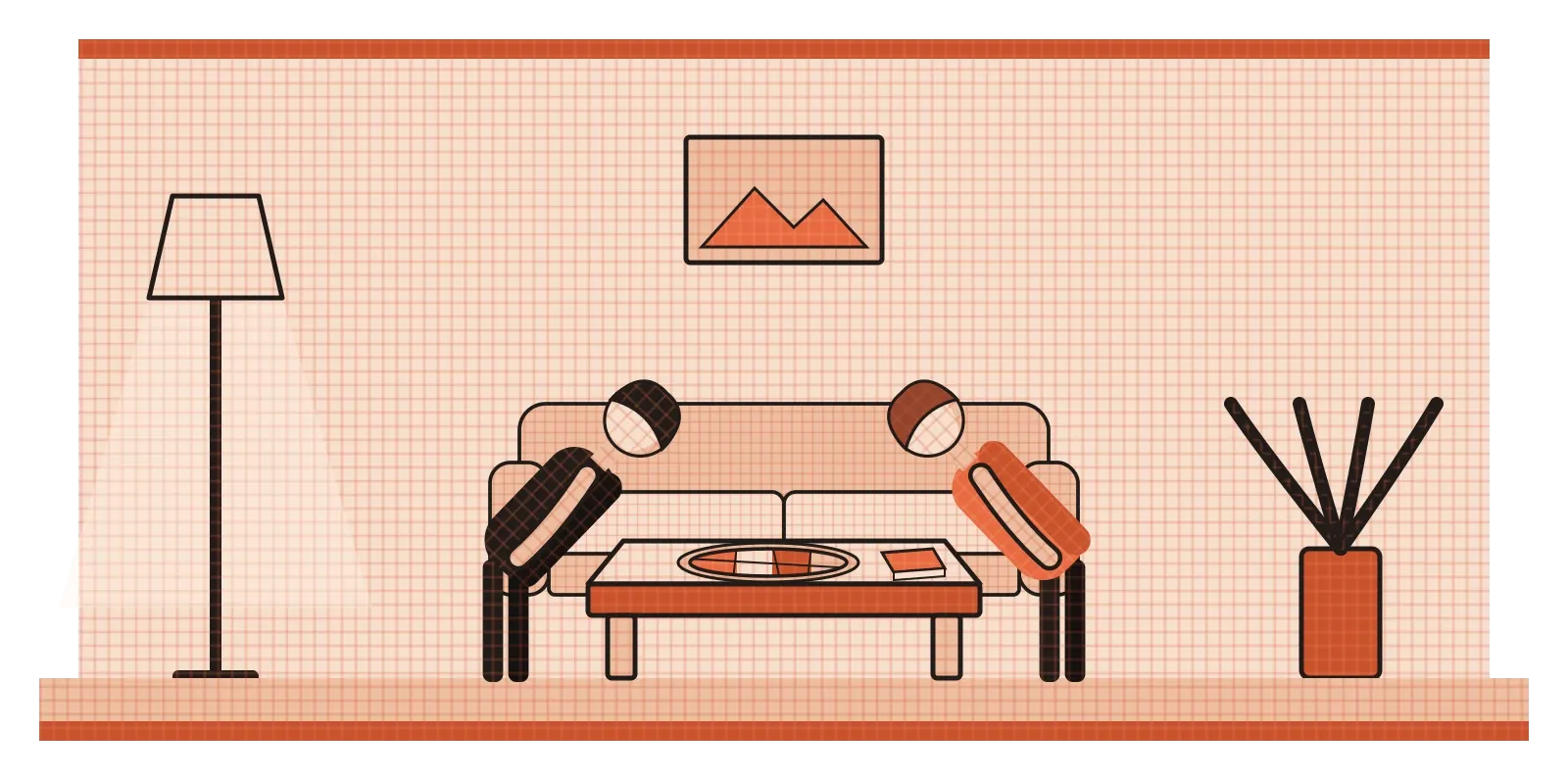
The phrase is usually traced to Christopher Frayling, a cultural historian who later became rector of the Royal College of Art. In a short paper published by the college in 1993, "Research in Art and Design", he was trying to answer a question that art and design schools were struggling with at the time: what does research mean in a field whose main output is objects, not papers? His answer was to split it into three kinds, using three small prepositions.
Research into design is the most familiar. It treats design as something to be studied from the outside, the way a historian studies the Bauhaus or a psychologist studies how people read a page layout. The output is usually writing, and the researcher doesn't need to design anything at all. Research for design is the everyday kind that most of us do at work: gathering information so that you can make a better product. User interviews before a redesign, a competitive analysis, or a study of how people hold a phone all count. The research serves the design, and once the product ships, nobody expects it to stand as knowledge in its own right.
Research through design is the third and most interesting kind. Here, the act of designing and making is itself the method, and the goal is new knowledge that other people can use, not just a finished product. Frayling gave examples such as materials research, where you only learn how a material behaves by working with it, and developing new technology, where building is how you find out what's possible. The idea he described has since grown into a whole field, especially in interaction design, where researchers build prototypes like the Drift Table not to launch them, but to learn things about people and technology that couldn't be learned any other way.
Why making teaches you things thinking can't
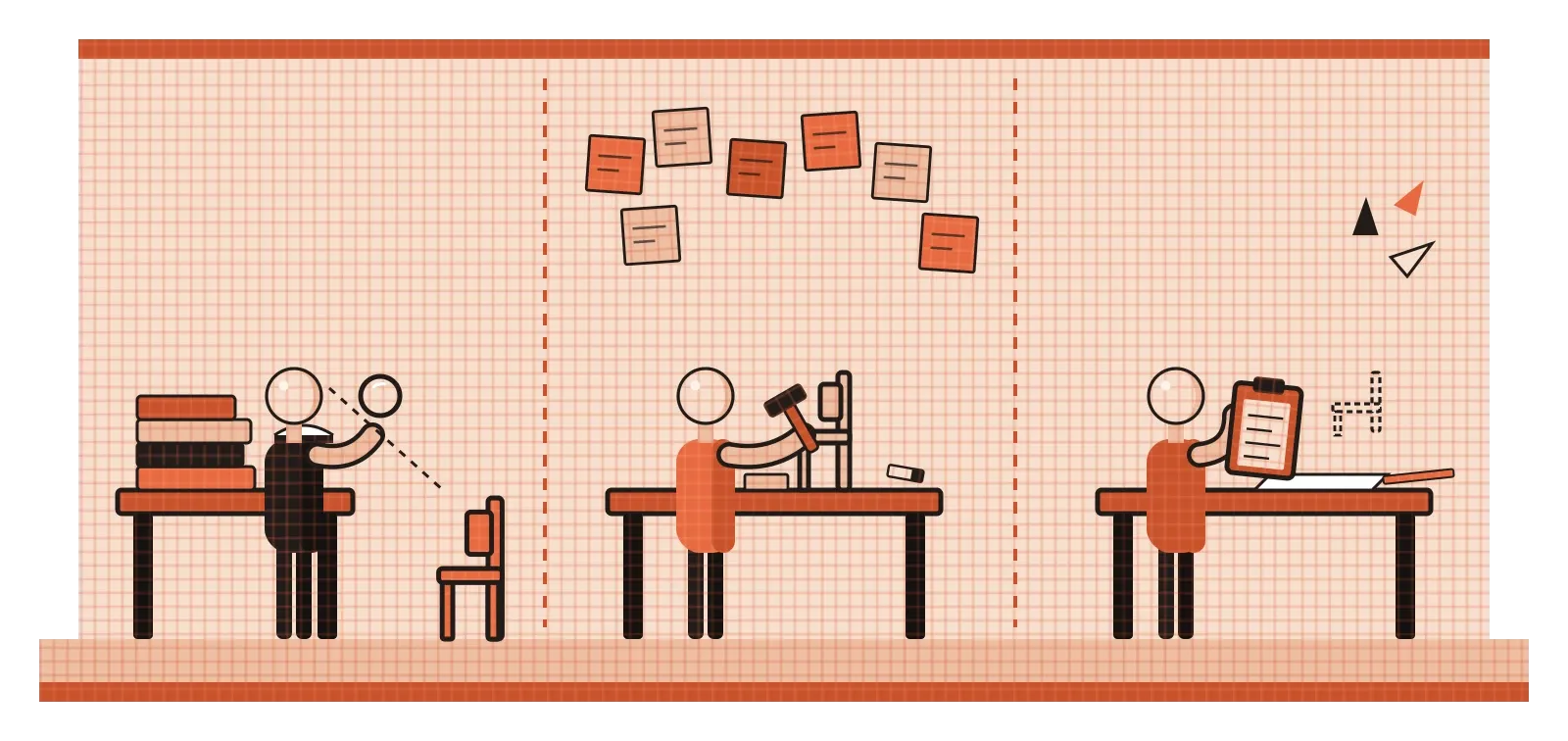
If you read the post on problem-solving and problem-finding, this will sound familiar. Donald Schön described design as a conversation in which you make a move, the situation talks back, and your understanding changes. Research through design takes that conversation seriously as a way of producing knowledge. When you build something, you are forced to make hundreds of small decisions you could happily avoid on paper. What size is it? What happens when someone touches it? What if they use it in a way you didn't plan for? Each of those decisions surfaces questions, and the object you end up with carries the answers, along with the assumptions you didn't even know you were making.
There's also a kind of knowledge that only shows up when real people meet a real thing. People are notoriously bad at predicting how they'll behave with something new. Ask someone whether they would like a table that shows them drifting landscapes, and they'll probably shrug. Put one in their living room for a month, and you might find that they gather around it in the evenings, argue about which town they're floating over, or move things around on purpose to steer it. None of that could have come from an interview, because the experience didn't exist until the object did.
For this to count as research rather than just making nice things, the people doing it have had to think hard about standards. In 2007, John Zimmerman, Jodi Forlizzi and Shelley Evenson at Carnegie Mellon University published an influential paper suggesting four ways to judge research through design in interaction design. The process should be documented well enough for others to understand and question it. The work should be genuinely new, not just a variation on something that exists. It should be relevant, meaning it moves towards a situation that is better than the current one. And it should be extensible, so that other designers and researchers can build on what was learned. A few years later, Bill Gaver argued that the knowledge from this kind of work is usually provisional and tied to particular situations, and that's fine. What matters is that it's shared honestly, often through what he and John Bowers called annotated portfolios: collections of designed objects with notes explaining what each one was exploring and what it taught.
Envelopes of postcards, and a few things from my own work
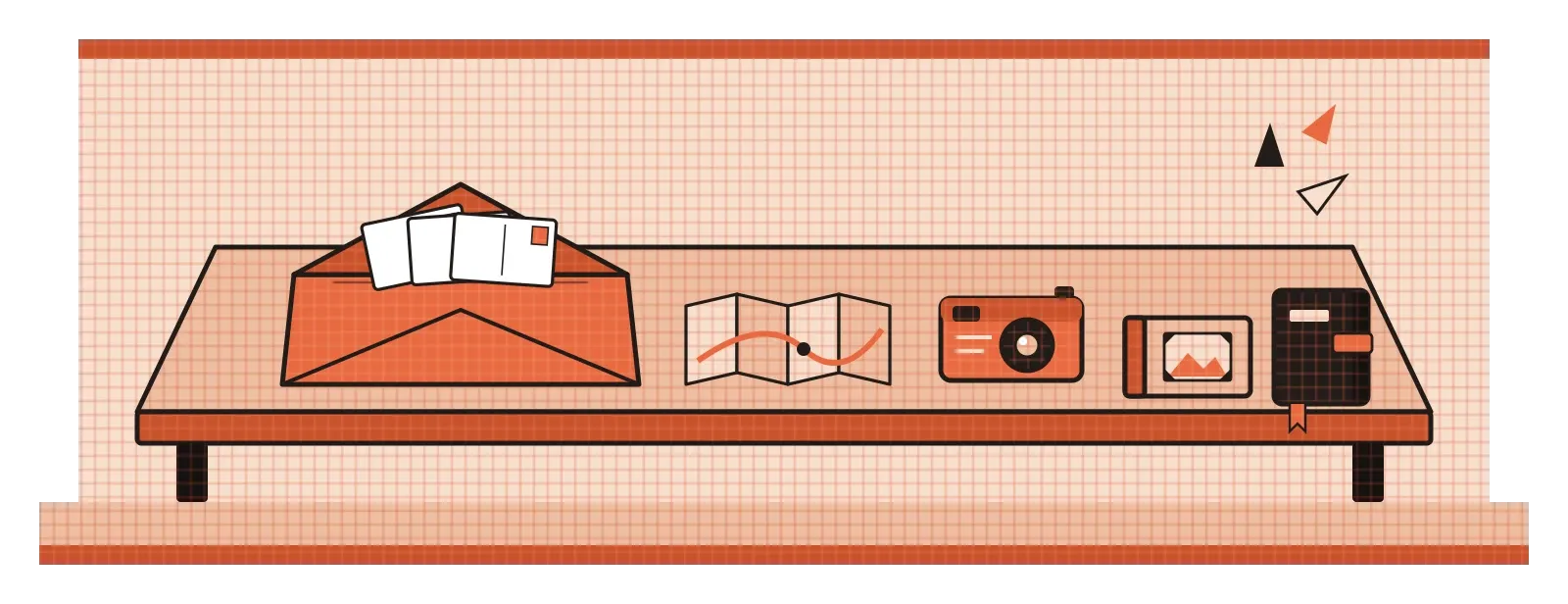
One of the best-known tools to come out of this way of working is the cultural probe. In 1999, Bill Gaver, Tony Dunne and Elena Pacenti published an article about a project exploring how technology might support older people in three communities in Norway, the Netherlands and Italy. Instead of interviewing them, the designers sent each person a pack of small, carefully made objects: postcards with provocative questions, maps to mark up, a disposable camera with a list of things to photograph, a photo album and a diary. People filled them in over several weeks and sent them back. The designers were open about the fact that the responses were not meant to be analysed like survey data. They were meant to inspire, to give glimpses into people's lives that would spark ideas. The probes themselves were designed objects, and the act of designing them was part of how the team thought about the people they were trying to understand.
I recognise a smaller, more commercial version of this in my work at Rocketium. When we built the first version of an agentic AI system for the company's design team, we were very clear that it wasn't designed for a polished experience. It was designed to find out whether the whole workflow, from an incoming brief to finished creatives, could run inside one AI conversation. In that sense, the first version was a question in the form of a product. It answered yes, the workflow could work. It also taught us something we hadn't predicted. Designers were overwhelmed by the AI's visible processing and started clicking through without reviewing what it had produced. We wouldn't have learned that from a workshop or a slide deck. We learned it because a real thing met real people.
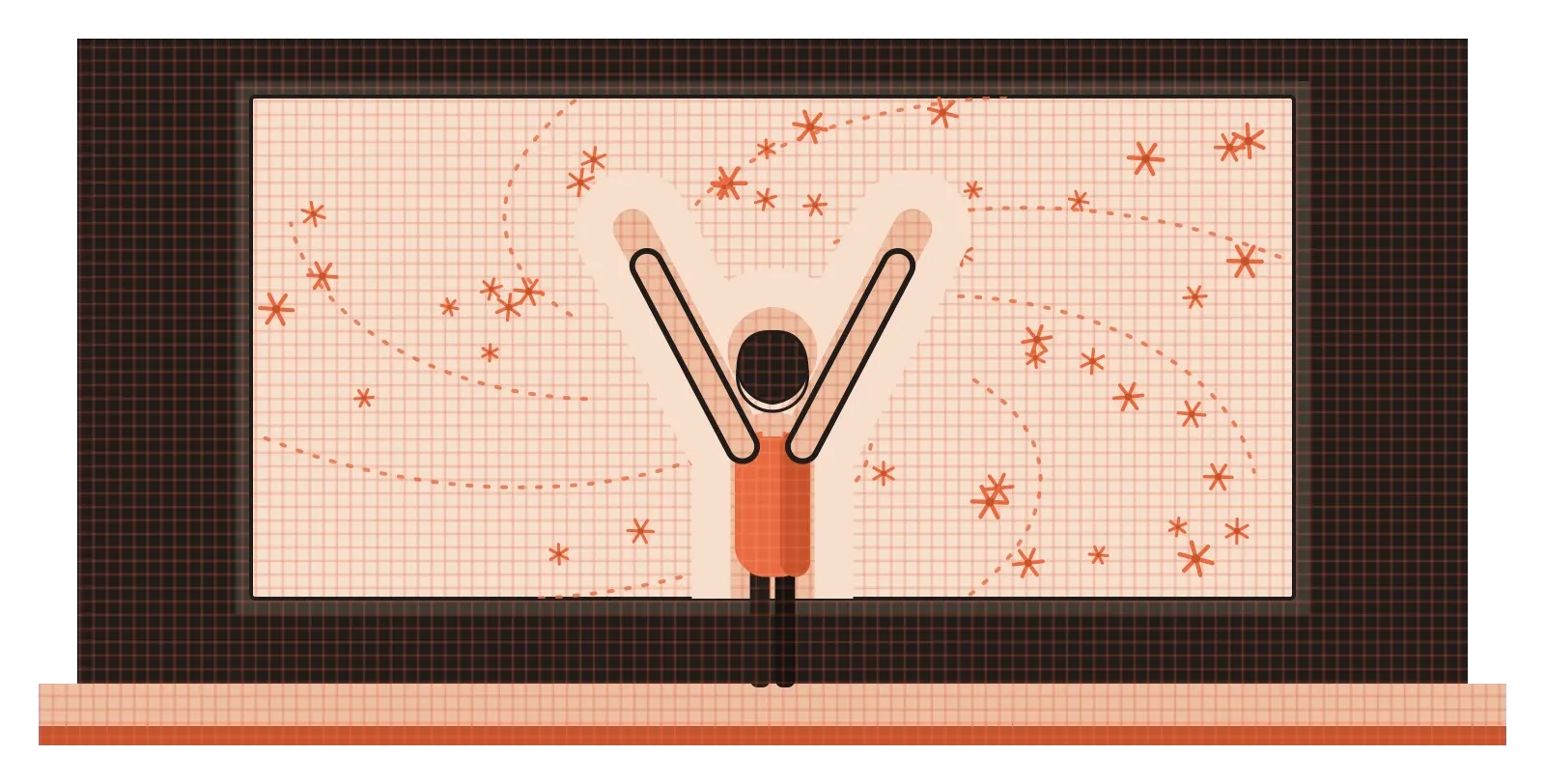
My studio work sits closer to the experimental end. Pieces like an interactive snowfall that responds to body movement, or a camera feed that turns what it sees into live black-and-white line drawings, came from questions that were easier to answer by building than by reasoning, mostly about how people respond when an image reacts to them. They weren't formal research, and I wouldn't claim they meet Zimmerman's four criteria. But they taught me the basic lesson that sits underneath this whole field: sometimes the only honest way to find out how something feels is to make it and watch.
The hard question: is it really research?
Research through design has always had critics, and their questions are fair. The biggest one is about rigour. In a lab experiment, other scientists can repeat your study and check whether they get the same result. With a designed object placed in a handful of homes, that's almost impossible. Every home is different, every object is a one-off, and the designers' own interpretations shape what gets reported. Sceptics ask how anyone can tell the difference between genuine insight and a designer finding what they hoped to find.
A related worry is that "research through design" can become a respectable label for simply making interesting things. A beautiful prototype with a vague write-up about what it "explores" doesn't add much to anyone's understanding. This is partly why Zimmerman, Forlizzi and Evenson pushed for clear criteria, and why Gaver argued for honest annotation. The knowledge has to be made explicit somewhere, in writing, in documentation, or in careful notes alongside the objects, otherwise only the people who made the thing ever learn from it.
There's also a practical tension for anyone working in industry. Companies rarely pay designers to learn things for their own sake. Most product prototypes exist to reduce risk before a launch, which is research for design, not through it. When we built the rough first version of the Rocketium system, the learning was real, but it was in service of a product, and apart from my own case study, it was never written up in a way other designers could build on. That's not a criticism of industry work, but it's worth being honest that most of what we call research in product teams is a different, narrower thing.
None of this makes the approach less valuable. It just means that research through design works best when people are clear about what kind of knowledge they're producing, careful about how they share it, and modest about how far it generalises. Some questions, especially about experiences that don't exist yet, simply can't be answered any other way.
What I'd take from it, even if you never do formal research
Most designers will never publish a research paper, and that's fine. But I think the core idea behind research through design is useful for everyone who makes things. It's a reminder that a prototype can be a question as well as an answer. When you build something rough, it helps to be clear about what you're trying to find out, and to write down what you actually learned, including the things you didn't expect. That small habit turns a throwaway prototype into knowledge your team, or your future self, can use.
It also pushes back against a common assumption in product teams, which is that research happens first and design happens after. Frayling's three prepositions show that the relationship can run both ways. Sometimes you research so that you can design. Sometimes you design so that you can research. Knowing which one you're doing at any moment makes it easier to choose the right methods, set honest expectations with stakeholders and avoid treating early prototypes as finished answers.
The Drift Table never became a product you could buy, and it was never meant to. What it produced was a better understanding of how people live with technology that isn't trying to be useful in the usual sense, and a set of ideas that other designers could carry into their own work. That's what research through design is for. The object is the method, and the real output is what everyone learns from it.
Further reading: Christopher Frayling, "Research in Art and Design" (1993) · John Zimmerman, Jodi Forlizzi and Shelley Evenson, "Research through design as a method for interaction design research in HCI" (2007) · Bill Gaver, Tony Dunne and Elena Pacenti, "Cultural Probes" (1999) · Bill Gaver, "What should we expect from research through design?" (2012)