The Loaded Question
How a question can slip in a claim nobody has agreed to, and make every answer confirm it.
The Loaded Question
The car crash that grew broken glass
In 1974, at the University of Washington in Seattle, the psychologist Elizabeth Loftus and her student John Palmer showed a group of students short films of car accidents. Afterwards they asked each student a question about what they'd seen. The question was almost always the same: about how fast were the cars going when they hit each other? The only thing that changed was one verb. Some students were asked how fast the cars were going when they "contacted" each other, some "bumped", some "collided", and some "smashed".
That single word moved the answers. Students who heard "smashed" estimated an average of about 41 miles an hour. Students who heard "contacted" estimated about 32. Same film, same cars, same crash. In a second experiment, Loftus and Palmer went further. They showed 150 students one film of a multiple-car accident, asked some of them about the cars "smashing" and some about the cars "hitting", and then, a week later, asked everyone whether they had seen any broken glass. There was no broken glass in the film. About a third of the "smashed" group said they had seen some, more than twice as many as in the other groups.
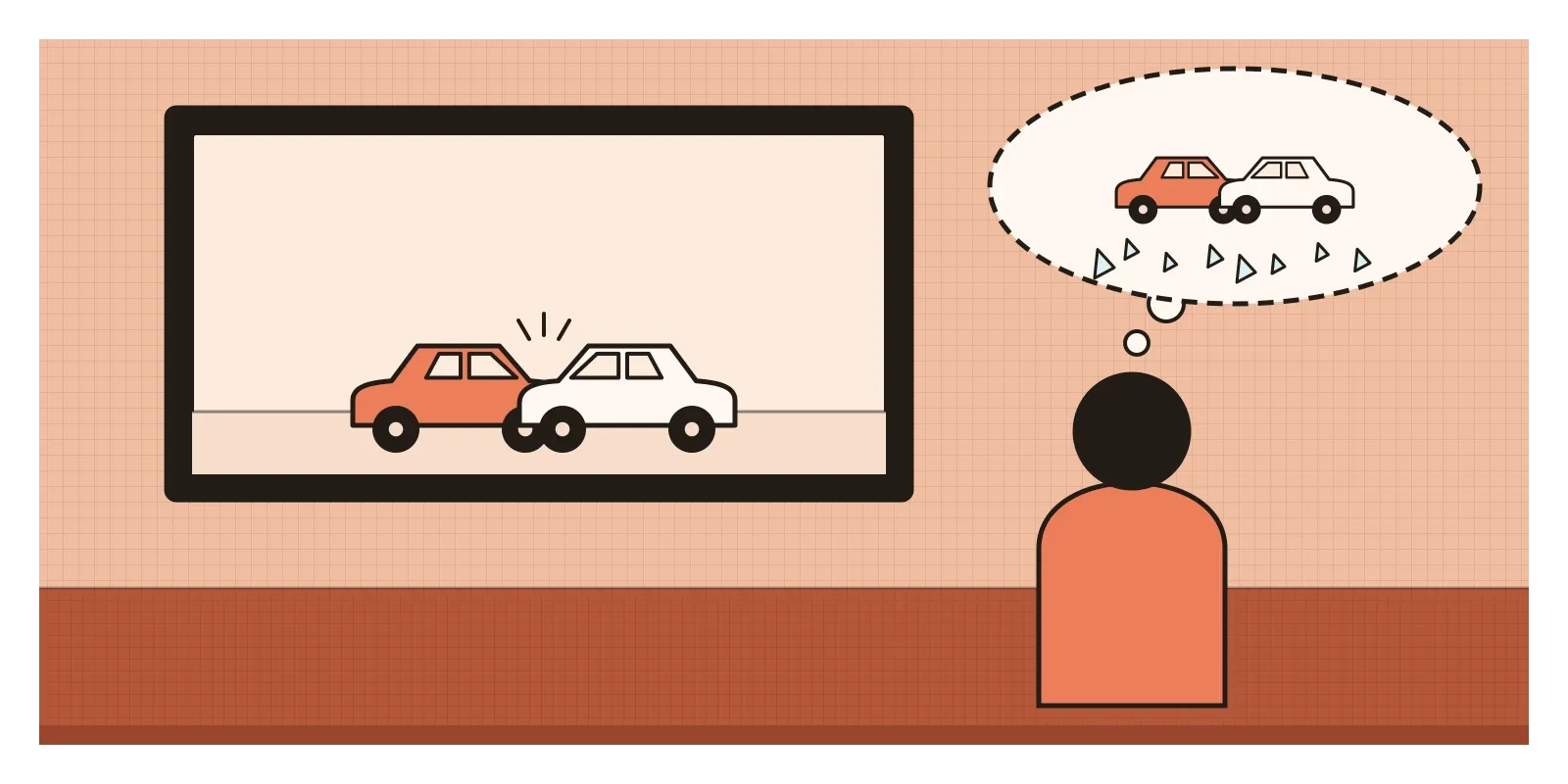
A year later, Loftus and Guido Zanni found something even subtler. After another accident film, asking "Did you see the broken headlight?" led more people to say yes than asking "Did you see a broken headlight?", including for things that had never been in the film. The word "the" quietly told them a broken headlight existed. All the question seemed to ask was whether they had noticed it.
That is the loaded question. It's a question that contains an assumption the other person hasn't agreed to, so that any direct answer seems to accept the assumption too. The most famous example is "Have you stopped beating your wife?" Say yes and you admit you used to. Say no and it sounds worse. Logic textbooks call it the complex question, or the fallacy of many questions, from the Latin plurium interrogationum.
Two questions wearing one coat
Aristotle noticed this trick in On Sophistical Refutations, his catalogue of the tricks used by debaters in ancient Athens. He listed "making two questions into one" among the ways a clever questioner could trap an opponent. In the question-and-answer contests of his day, a respondent was expected to answer yes or no, and a questioner who bundled two claims together could win whichever answer came back. Aristotle's advice was simple: don't answer a double question with a single answer. Separate it first.
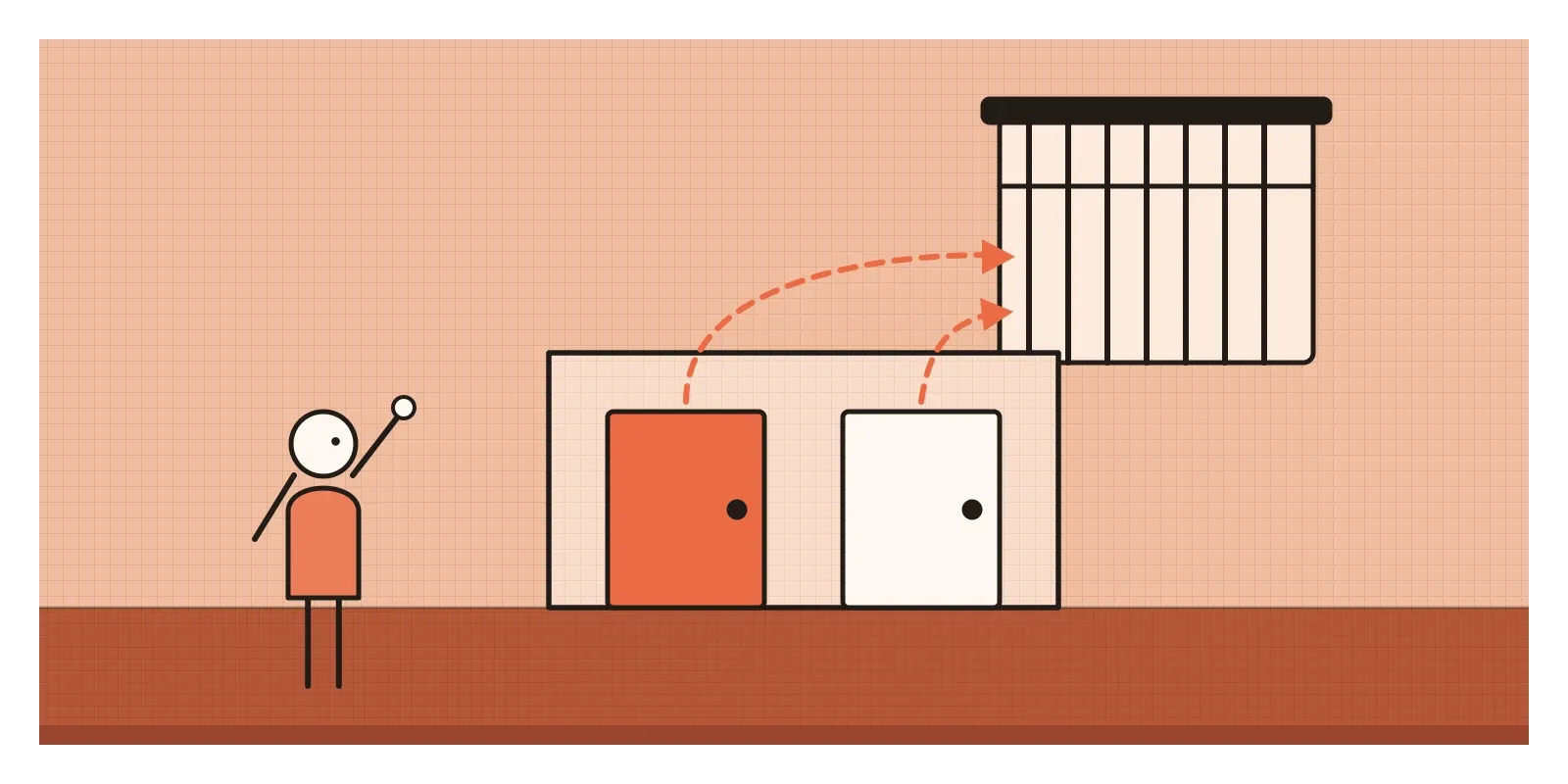
Pull "Have you stopped beating your wife?" apart and you find two questions. Did you ever beat your wife? And if so, have you stopped? Only the second is actually asked. The first is assumed, and it's the one that matters.
Philosophers of language later gave that hidden part a name: a presupposition. In 1905, Bertrand Russell puzzled over the sentence "The present King of France is bald", written at a time when France had no king. Is it false? Meaningless? In 1950, Peter Strawson argued that the sentence presupposes there is a King of France, and when that presupposition fails, the question of whether he's bald simply doesn't arise. Loaded questions work the same way. They ask about the baldness and hope nobody checks whether there's a king.
Not every loaded question is that crude. "Why is our onboarding so confusing?" presupposes that it is. "How much did you enjoy the new feature?" presupposes some enjoyment. "When will the redesign be ready to fix the drop in sign-ups?" presupposes that the redesign will fix it, and that the drop was a design problem. Each of these sounds like an ordinary question. Each smuggles in a claim.
Why we answer instead of objecting
Conversation runs on cooperation. The philosopher Paul Grice described this in a 1975 essay, "Logic and Conversation": we assume the people we're talking to are trying to be helpful, so we try to answer what they ask. Questioning the question breaks that rhythm. Linguists sometimes describe this as the "hey, wait a minute" test. If you can only reject part of what someone said by stopping the conversation and saying "hey, wait a minute", that part was presupposed rather than stated. Stopping feels awkward, so most of the time we don't.
Presuppositions also slip past our attention. A question directs us to look for the answer, not to inspect the frame around it. Loftus's students weren't careless. They were doing exactly what a good witness does, trying to remember the speed of the cars. The verb came along for the ride, and it changed the memory itself.
Power makes it worse. A question from a manager, a lawyer, a journalist or a senior stakeholder comes with an expectation that it will be answered. Most of us will answer an elder relative's "So when are you getting married?" with a polite date range rather than point out that we hadn't decided to, and the same reflex follows us into meetings.
Questions on trial
Courts have known about this for centuries, which is why the law of evidence is so careful about questions. India's Evidence Act of 1872 defined a leading question as one suggesting the answer which the person asking it wishes or expects to receive. It said such questions must not be asked, if the other side objects, when a lawyer is questioning their own witness, except about introductory or undisputed matters. They were allowed in cross-examination, where the whole point is to test a witness whose story the lawyer doesn't accept. The Bharatiya Sakshya Adhiniyam, which replaced the Evidence Act in 2024, carries the same rules forward. A leading question isn't always a loaded one, but the worry behind the rule is the one Loftus measured: the wording of a question can put words, and memories, into a witness.
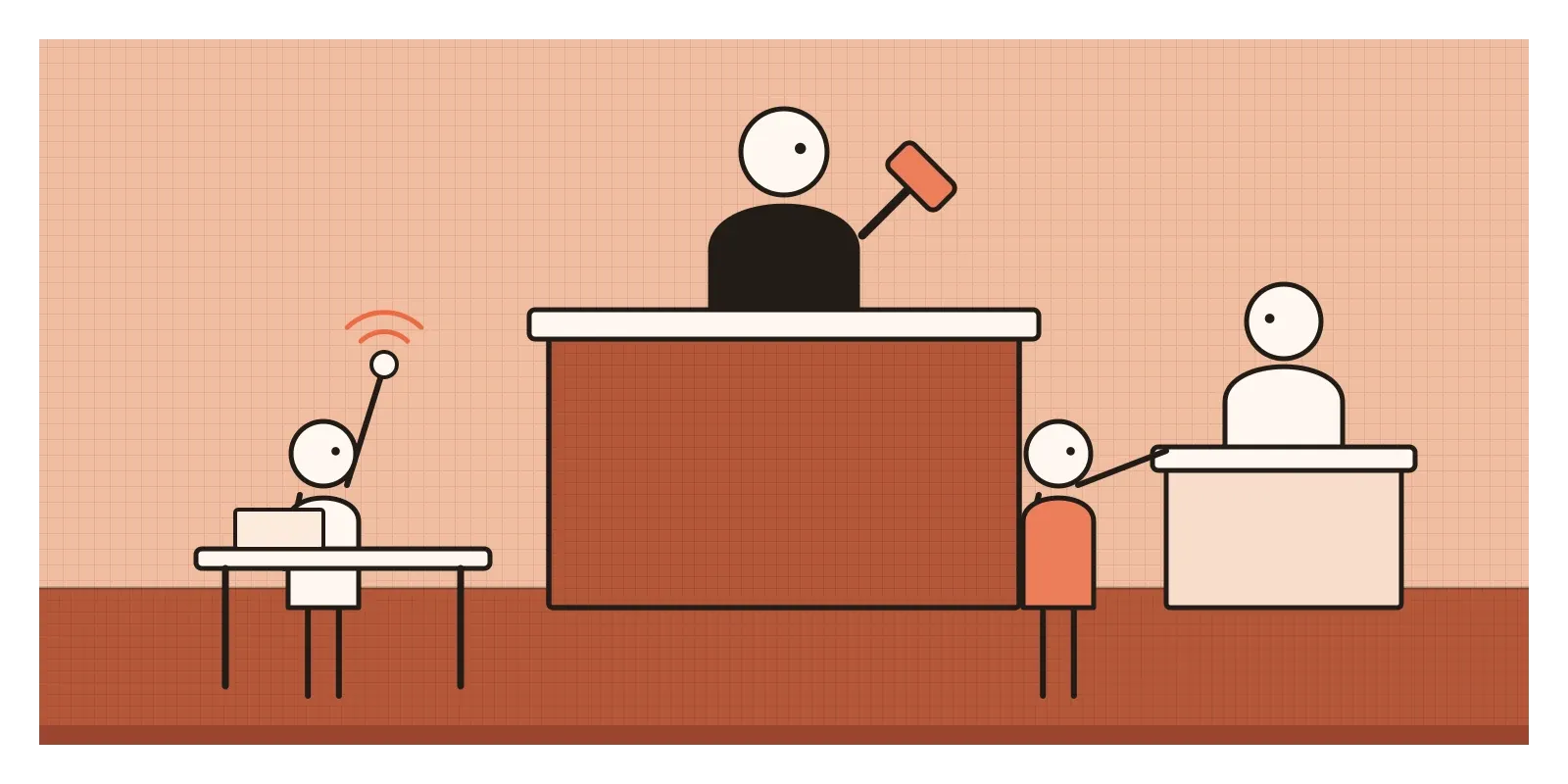
Referendums face the same problem at national scale. In 2012, the Scottish Government proposed the question "Do you agree that Scotland should be an independent country?" for its independence referendum. The UK's Electoral Commission tested the wording with voters and, in January 2013, recommended changing it, because "Do you agree" could nudge people towards yes. The final question was "Should Scotland be an independent country?" Two years later, for the referendum on leaving the European Union, the Commission advised against a simple yes or no question altogether, and the ballot asked voters to choose between remaining and leaving.
At the other extreme is the push poll, a practice condemned by professional pollsters such as the American Association for Public Opinion Research. A push poll pretends to be a survey but is really political advertising. Its questions take the form "Would you be more or less likely to vote for this candidate if you knew that…", followed by a damaging claim. The point is not to measure anything. The point is to plant the claim.
The interview script that knew the answer
Picture a team that has just redesigned the dashboard of a budgeting app. Everyone is proud of it. The researcher writes an interview guide for sessions with eight users. Question three reads: "How much easier is it to find your spending summary now?" Question five: "What do you like most about the new layout?" The follow-up survey asks people to rate "how satisfied" they are with the faster navigation, on a scale whose options run from slightly satisfied to extremely satisfied.
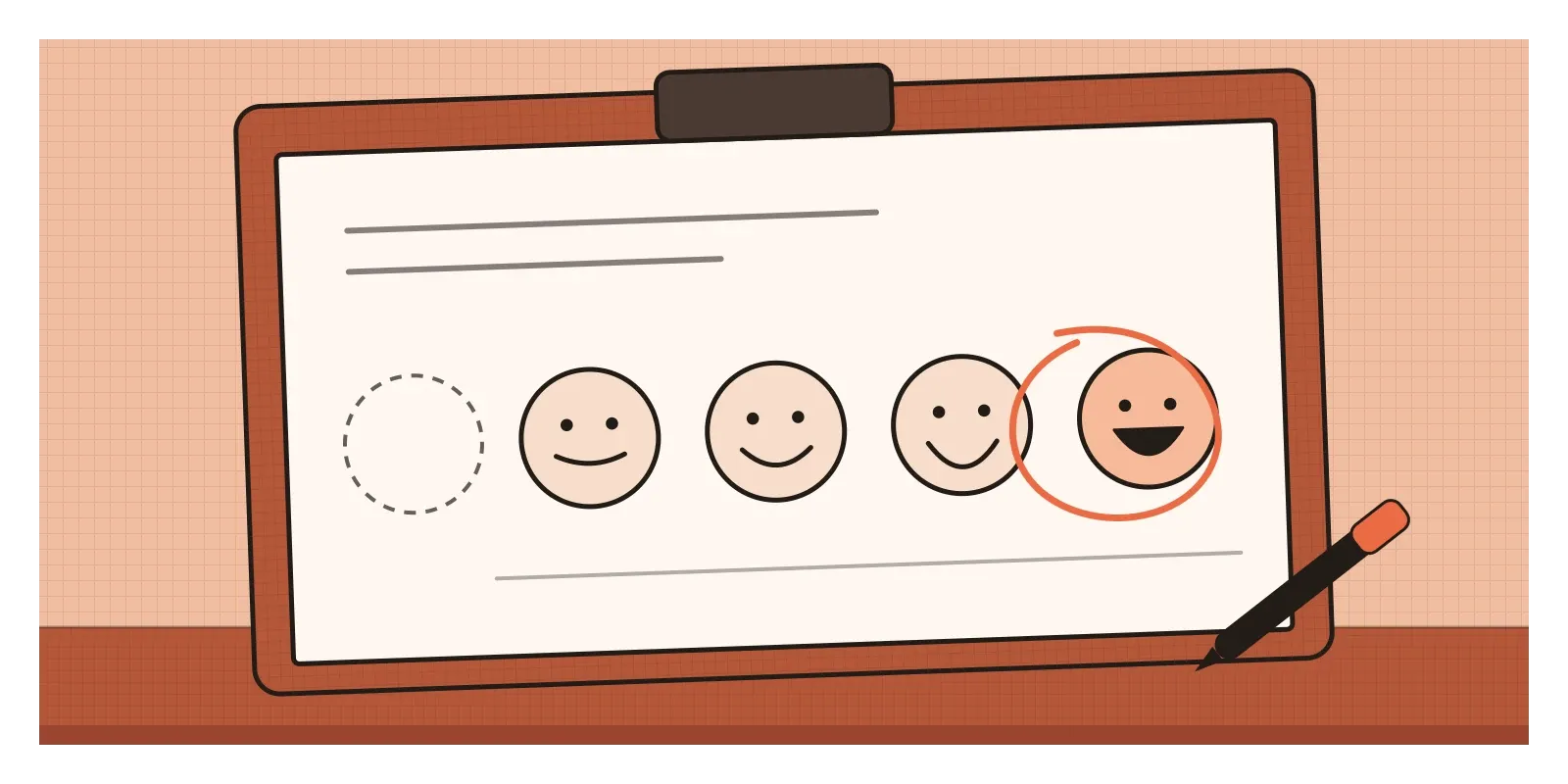
Each question assumes its own conclusion. The first assumes it's easier, the second that people like something, and the survey has no way to say "dissatisfied" at all. The users, being cooperative people, answer what they're asked. They find something easier. They name something they like. The synthesis deck reports that users found the new dashboard easier and liked the layout, and the evidence is real quotes from real people. It's also an echo of the script.
The same thing happens in a roadmap meeting when someone asks, "Why did the new pricing page hurt conversions?" before anyone has checked whether it did. And it happens with AI tools. Ask an assistant "Why is layout B better than layout A?" and it will usually produce a confident list of reasons. Researchers at Anthropic, in a 2023 paper on what they called sycophancy, found that language models tend to tailor their answers to the views a user seems to hold. A loaded prompt gets a loaded answer.
The honest version starts with questions that leave the frame open. "Walk me through how you'd find your spending this month." "What, if anything, has changed for you since the update?" A survey scale that runs from very dissatisfied to very satisfied. In the meeting: "Did conversions change after the pricing page launched, and if so, what else changed then?" For the AI: "Compare layouts A and B. What are the strengths and weaknesses of each?" As I wrote in the post on critique, neutral questions are harder to write than they look, and they're worth every bit of the effort.
When a question is allowed to assume
Every question assumes something, and most of those assumptions are fine. "When did you last open the app?" is a perfectly good question for someone you know has used it. A follow-up question that builds on an answer someone just gave isn't loaded, because the person has already agreed to the assumption. The fallacy lies in presupposing something that is disputed or unknown, and then treating the answer as if it had confirmed it.
Sometimes researchers load a question on purpose, and carefully. Alfred Kinsey's team, interviewing thousands of Americans about their sex lives in the 1940s, deliberately asked when people had first done something rather than whether they had, so that admitting it felt less like a confession. Survey designers still use softer versions of this for sensitive behaviour, where people tend to under-report. It's a technique that can reduce one bias by risking another, which is why it's used knowingly and argued about openly.
Cross-examination is the other legitimate home of the leading question. When the aim is to test a story, not to gather one, a pointed question can expose a gap. The difference is that everyone in the room knows what kind of question it is.
How I try to catch it
The first habit is to ask what a question assumes before I answer it. I try to say the assumption out loud: "That question assumes the redesign hurt conversions. Do we know that yet?" Said calmly, this doesn't sound like an attack. It sounds like care.
The second is Aristotle's: split it. If a question contains two claims, I answer them separately. "I don't think the onboarding is confusing for most people, but here's where I've seen people get stuck."
The third is for when I'm the one asking. In research scripts, I ask about what people did, not how they felt about what I made: "Tell me about the last time you…" I read my survey scales to check they allow the answer I'd least like to hear. And when I ask an AI tool for an opinion, I ask it to argue both sides before I tell it which one I prefer.
Loftus's students hadn't seen any broken glass. The question put it there, and a week later it was part of what they remembered. That's the real danger of a loaded question. It doesn't just get a biased answer. It changes what people believe they know. In the next post, on the composition fallacy, I'll turn from single questions to a different kind of hidden leap, from parts to wholes.
Further reading: Elizabeth Loftus, Eyewitness Testimony (1979) · Elizabeth Loftus and John Palmer, "Reconstruction of automobile destruction" (1974) · Aristotle, On Sophistical Refutations · Paul Grice, "Logic and Conversation" (1975) · Mrinank Sharma and colleagues, "Towards Understanding Sycophancy in Language Models" (2023)
The question to askWhat does this question assume before I answer it?