
Appeal to Authority
When a famous name ends the argument instead of the evidence, and how to tell trust from deference.
Appeal to Authority
Thirty years of counting to forty-eight
In 1923, Theophilus Painter, a respected zoologist at the University of Texas, published his count of the chromosomes in human cells. It was hard work. Human chromosomes are tiny, and the ways of preparing cells at the time left them clumped and tangled like a pile of threads. Painter studied his slides for a long time and settled on a number: forty-eight, or twenty-four pairs. He admitted the counting was difficult. But he was an established scientist, his work was careful, and the number entered the textbooks.
It stayed there for more than thirty years. Then, in December 1955, Joe Hin Tjio and Albert Levan, working at the Institute of Genetics in Lund, Sweden, used newer techniques that spread the chromosomes out cleanly on the slide. They counted forty-six, in cell after cell. Their 1956 paper, "The chromosome number of man", corrected a figure that generations of students had memorised.
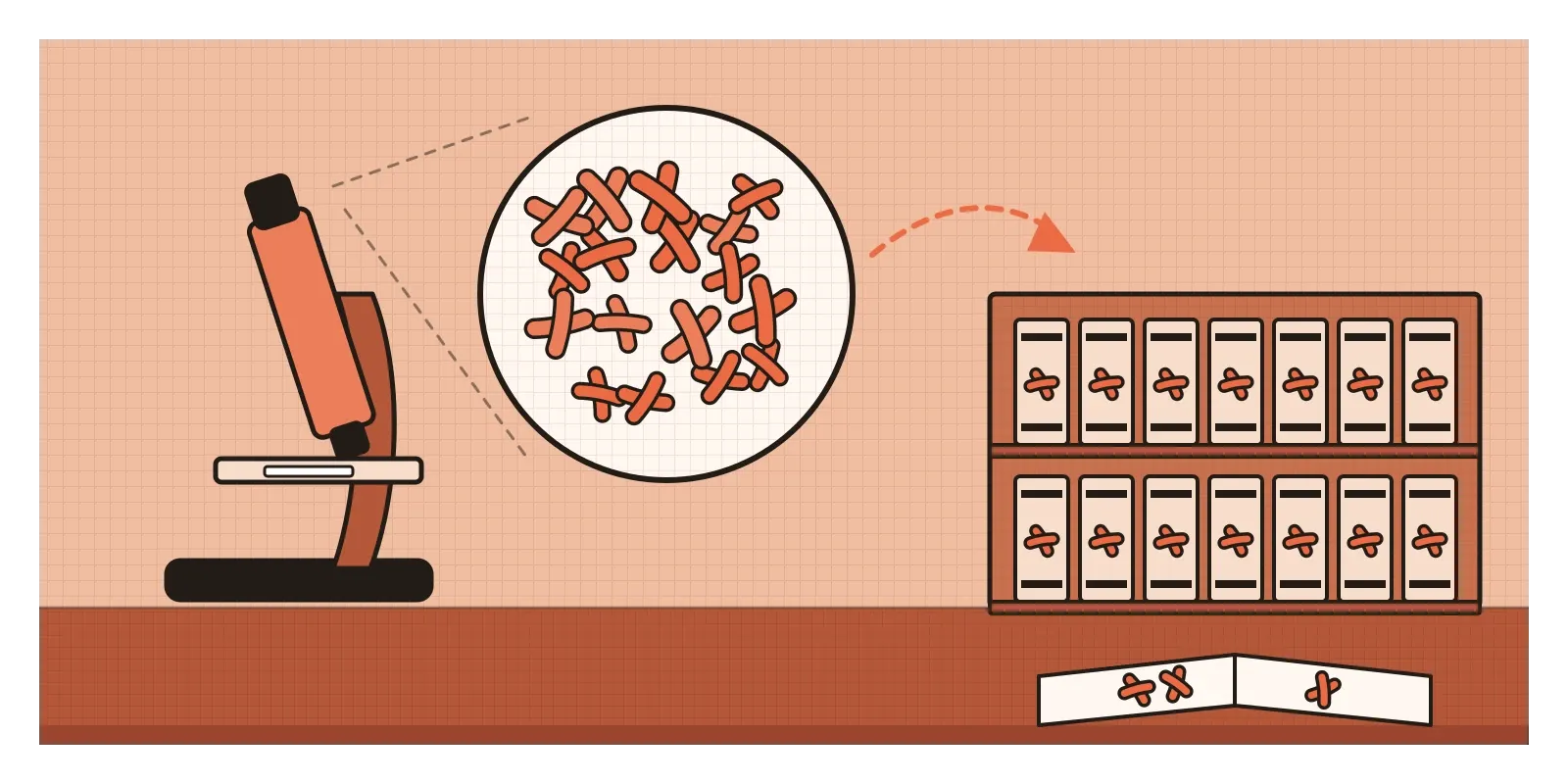
What makes this story uncomfortable isn't that Painter was wrong. With a 1920s microscope, that was understandable. The uncomfortable part is what happened in between. There are accounts of researchers who counted fewer than forty-eight in their own preparations and assumed their technique was at fault. It's often said that some textbooks even printed photographs in which you can count twenty-three pairs, captioned as twenty-four. I can't verify every version of that story, but the pattern it describes is real. For three decades, the number was believed less because people kept checking it and more because of who had said it first.
That is the appeal to authority: accepting a claim because of who made it, rather than because of the evidence for it. Its Latin name is argumentum ad verecundiam, and it's also called the argument from authority. In its fallacious form, the authority does the work that the evidence should be doing.
An argument from modesty
The Latin name comes from John Locke. In An Essay Concerning Human Understanding, published in 1690, he described several ways people try to win arguments without proving anything. One was to bring in the opinions of people admired for their learning or rank, so that anyone who disagrees looks arrogant. Verecundia means something like modesty or shame. It feels rude to say a famous person is wrong, so we stay quiet, and our silence looks like agreement. I like that framing, because it shows the weakness isn't really in the logic. It's social pressure dressed up as logic.
Logicians have spent a long time separating the good versions of this argument from the bad ones, because we can't avoid relying on experts. The philosopher Douglas Walton, in his 1997 book Appeal to Expert Opinion, set out critical questions to ask whenever someone cites an authority. Is this person actually an expert? Is the claim within their field? What exactly did they say, and is it quoted accurately? Are they trustworthy, and free of obvious conflicts of interest? Do other experts agree? Is the claim backed by evidence that could, in principle, be checked? If an appeal survives those questions, it's a reasonable argument. If it collapses at the first one or two, it's the fallacy.
The familiar variants fail in different places. A famous actor recommending a medicine fails the field question. "Experts say" and "studies show" fail because there's no one to question at all. A white coat or a job title in an advertisement fails because it's a symbol of expertise rather than the thing itself. And when an authority is cited mainly for how many people follow them, we're back in the territory of the post on the bandwagon fallacy.
Why a white coat works on us
In 1966, the psychiatrist Charles Hofling and his colleagues ran an experiment in American hospitals that still makes me uneasy. A man calling himself a doctor, whom the nurses had never met, phoned the ward and asked the nurse on duty to give a patient twenty milligrams of a drug called Astroten. The drug was fake, harmless capsules placed in the ward cabinet by the researchers, and its label said the maximum daily dose was ten milligrams. Hospital rules said nurses shouldn't take orders like this over the phone, least of all from an unknown doctor. Of the twenty-two nurses tested, twenty-one were stopped on their way to the patient with the medicine in hand.
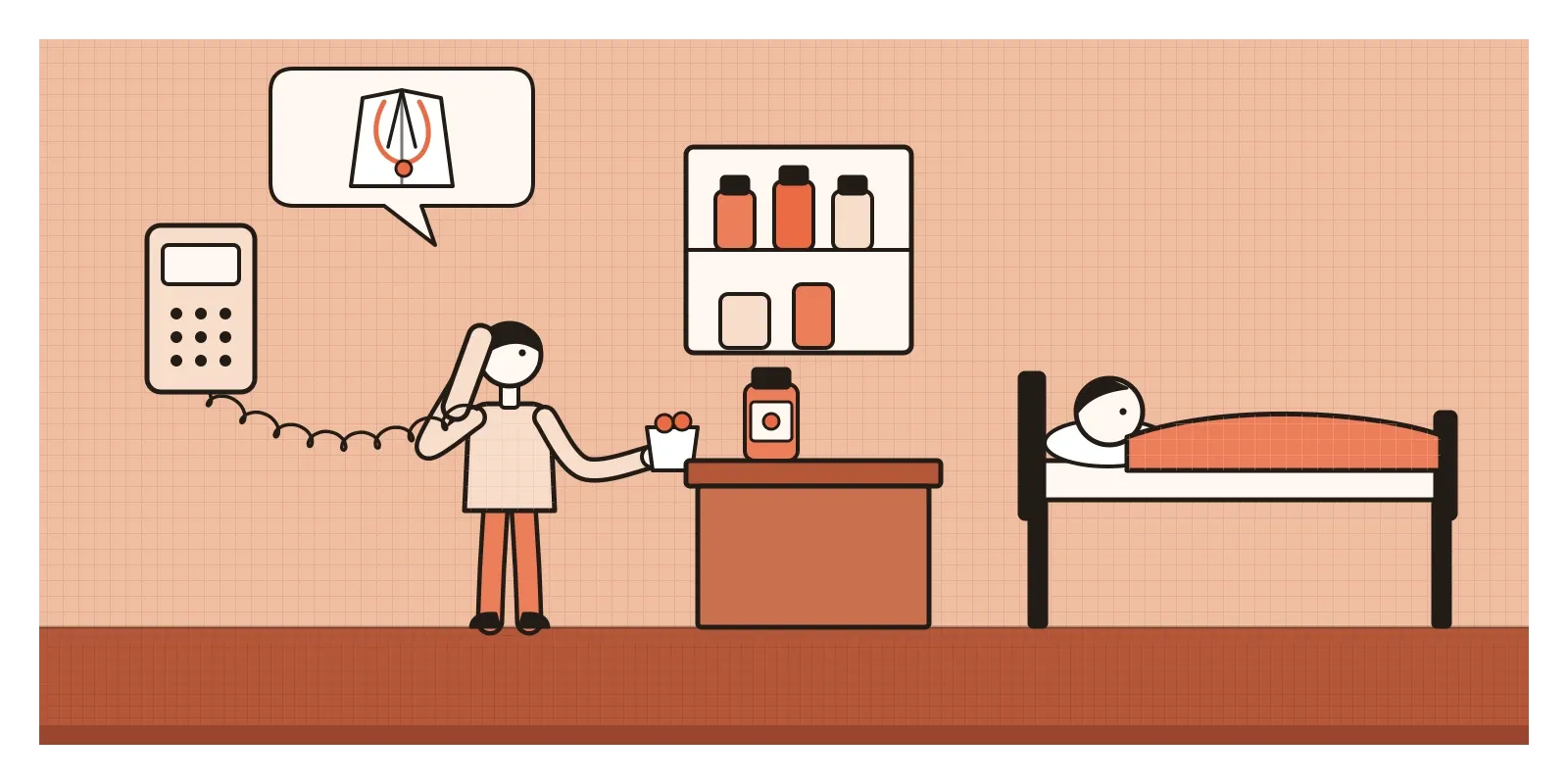
The study has a useful sequel. In 1977, Steven Rank and Cardell Jacobson ran a similar test with a familiar drug, Valium, and nurses who could talk to colleagues before acting. Only two of eighteen followed the order. Deference is strongest when we're isolated, unfamiliar with the subject and short of time. Give people knowledge and someone to check with, and it weakens a lot.
The psychologist Robert Cialdini, in his 1984 book Influence, listed authority among a handful of principles that reliably make people say yes. Part of the reason is practical. Following experts is usually a sensible shortcut. I don't check my doctor's diagnosis against the medical literature, and I'd get nothing done if I tried. Cialdini's warning was that the shortcut fires on symbols of authority, a title, a uniform, a confident manner, as readily as on real expertise.
There's also the halo effect, named by the psychologist Edward Thorndike in 1920 after he noticed that army officers who rated a soldier highly on one quality tended to rate him highly on unrelated ones too. We do the same with experts. Someone brilliant at one thing seems, without our noticing, to be wise about everything.
The Nobel laureate and the orange tablets
Linus Pauling is the only person to have won two Nobel prizes without sharing either, for chemistry in 1954 and for peace in 1962. His work on the chemical bond changed his field. In 1970, he published Vitamin C and the Common Cold, arguing that large daily doses of vitamin C, far above the usual recommendations, could prevent colds. The book sold widely and vitamin C sales rose sharply. Later, with the Scottish surgeon Ewan Cameron, he argued that high doses could help people with cancer.
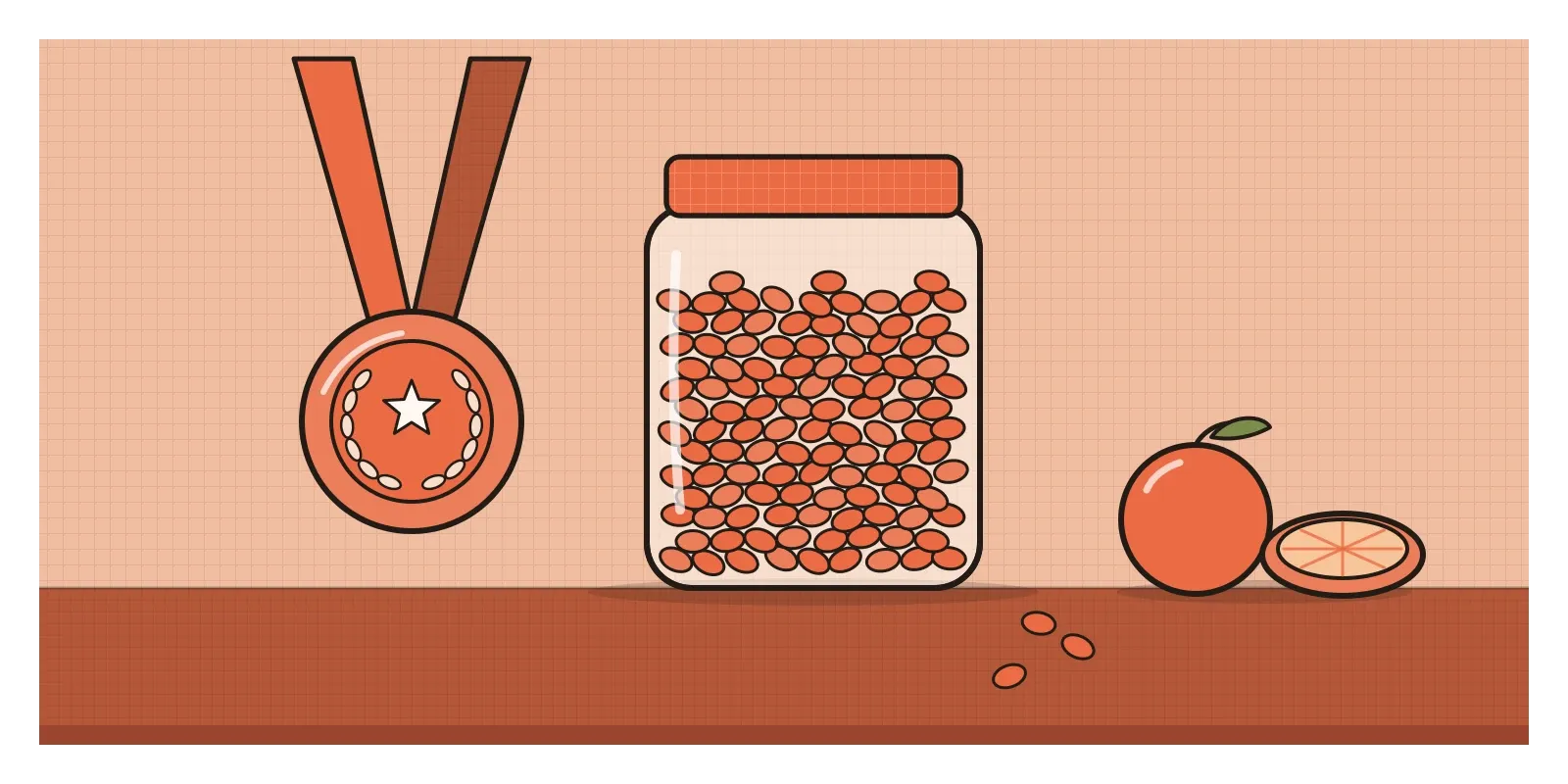
The controlled trials were much less kind. Randomised trials for cancer at the Mayo Clinic, published in 1979 and 1985, found no benefit. For colds, a 2013 Cochrane review by Harri Hemilä and Elizabeth Chalker concluded that regular vitamin C doesn't reduce how often ordinary people catch colds, though it may shorten them slightly and seemed to help people under extreme physical stress, such as marathon runners. That's a far smaller claim than Pauling made. Yet for many people, the case for vitamin C rested less on the trials than on the fact that a double Nobel laureate believed in it. Being an authority in chemistry made him sound like an authority in clinical medicine, and the public couldn't easily tell where one expertise ended and the other began.
India has had its own reckoning with borrowed authority. In 2022, the Central Consumer Protection Authority, set up under the Consumer Protection Act of 2019, ordered the makers of Sensodyne toothpaste to stop running Indian advertisements that featured dentists practising in the United Kingdom, and to drop claims such as being recommended by dentists worldwide. A dentist is a real expert, but an Indian viewer had no way to know who these dentists were or whether their advice applied here. The white coat was doing the persuading. Later that year, government guidelines on misleading advertisements set out that endorsements should reflect genuine experience of, or knowledge about, what is being promoted.
Three authorities against one test
Picture a team designing the onboarding for a personal finance app. The designer has tested two versions with users. In one, people connect their bank account straight away. In the other, they first answer three questions about their goals and see a small, useful result before being asked for anything sensitive. The second version did better. People said the first felt pushy, and several abandoned it at the bank screen.
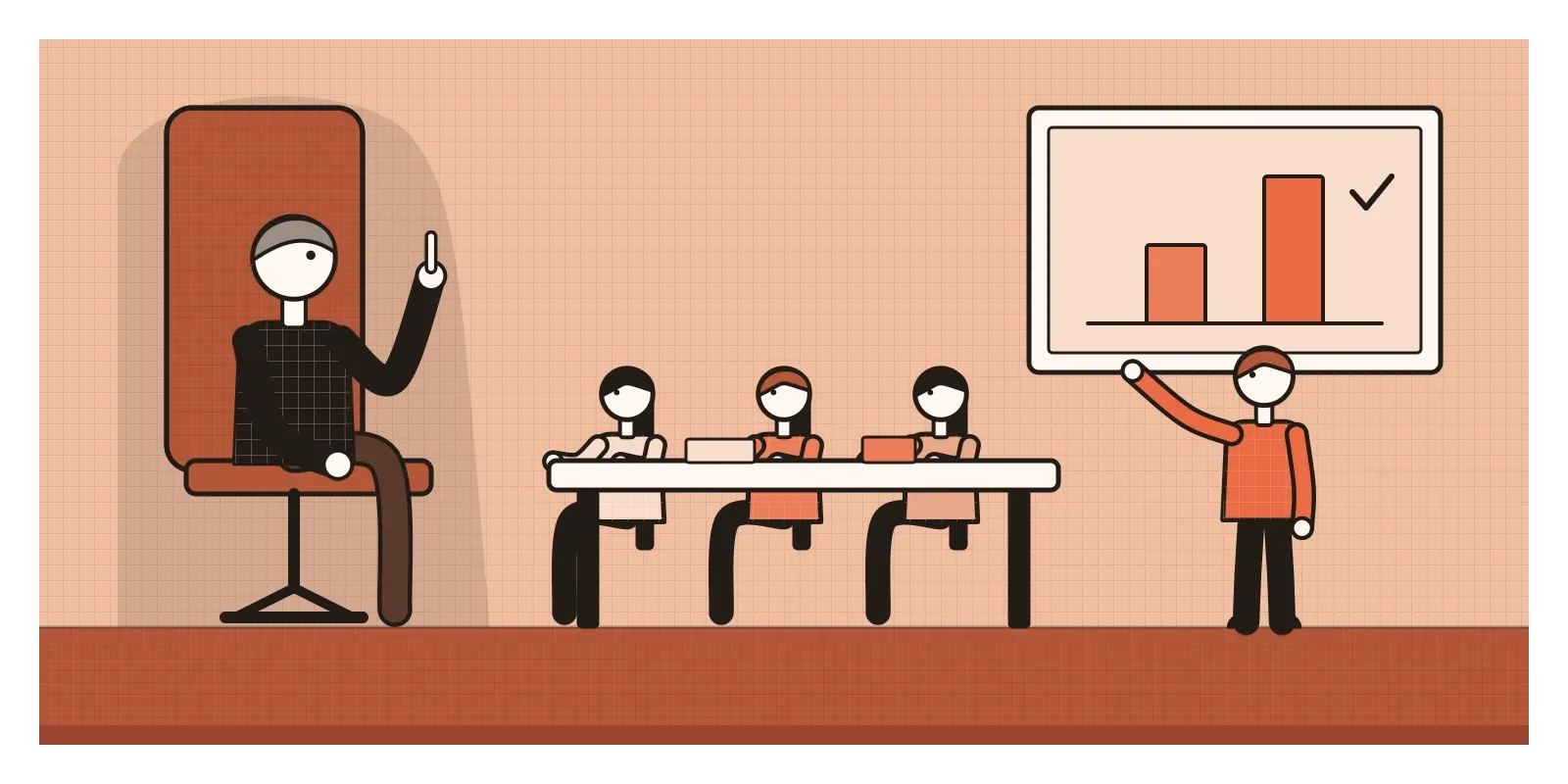
In the review, the head of growth isn't convinced. "Every top fintech app asks for the bank account first." The founder adds that they've built two successful companies and their instinct says shorter is better. Someone shares a screenshot from an AI assistant, which confidently recommends asking for the account up front. A market, a person and a machine, all pointing one way. The test results, sitting quietly on a slide, start to feel like an opinion.
Now look at what each authority actually knows. "The top apps do it" tells us what other companies chose, not whether it worked for them or whether their users resemble ours. The founder's success is real, but it was in different products, with different users. The AI assistant produced a fluent summary of what's commonly written about onboarding, but it can't see these users or these results, and it gave no source anyone could check. Each is a hint. None is evidence about this decision.
The honest version treats them as hypotheses. What do those fintech apps offer before the bank screen, and how do their completion rates compare? If the founder's instinct is that shorter is better, can the goals step be shortened rather than removed? And if the test is too small to trust, the answer is a bigger test, not a bigger name. The team might still end up asking for the account first. But it would be for reasons everyone can see.
When trusting an expert is the rational thing
None of this means we should never take anyone's word for anything. In a 1985 paper called "Epistemic Dependence", the philosopher John Hardwig pointed out that modern knowledge is spread across so many people that nobody can check it all. A physicist relies on mathematicians, a doctor relies on lab scientists, and all of us rely on people we'll never meet. Accepting the scientific consensus on how vaccines work isn't a fallacy just because most of us can't run the studies. It's a sensible bet on a system of experts who check each other.
The difference lies in what the authority is being asked to do. A legitimate appeal says: here is someone who knows this field, speaking within it, whose reasoning is open to inspection and whom other experts broadly agree with, so it's reasonable to accept their view until better evidence arrives. A fallacious appeal says: this person is important, so the question is closed. The first treats authority as a shortcut to evidence. The second treats it as a substitute.
How I try to catch it
The first thing I ask is whether the person is speaking inside their expertise. A senior engineer is a real authority on whether something can be built, and a weaker one on whether users will want it. When someone's authority is being stretched across a boundary, I try to name it gently.
The second is to ask for the reasons rather than the name. "What did they see that made them think so?" is a question almost no one minds, and it turns an appeal to authority back into an argument. If the answer is a study, I want to know who was studied. If the answer is "they just know", I treat it as an informed hunch, which is worth something but isn't evidence.
The third is a small test on my own beliefs. I imagine the same claim coming from someone with no reputation at all, an intern or a stranger online. Would I still find it convincing? If not, it was the name that convinced me. I try it in reverse too. Dismissing a junior colleague's evidence because of who they are is the same fallacy, upside down.
Painter's readers weren't foolish. They were busy people who reasonably trusted a careful scientist, until that trust made them stop looking. Tjio and Levan didn't win by having more authority. They won by making the chromosomes easier to see, so that anyone could count them. That's still the best answer to a famous name: make the evidence visible. In the next post, I'll turn to the slippery slope, an argument that wins by making one small step look like the first of many.
Further reading: John Locke, An Essay Concerning Human Understanding (1690) · Douglas Walton, Appeal to Expert Opinion: Arguments from Authority (1997) · Robert Cialdini, Influence: The Psychology of Persuasion (1984) · John Hardwig, "Epistemic Dependence" (1985) · Tom Nichols, The Death of Expertise (2017)
The question to askWould I still believe it without the name attached?